When the Clock Stops and the Gates Open: Integrating Timeout Strategies with Race Pace Analysis
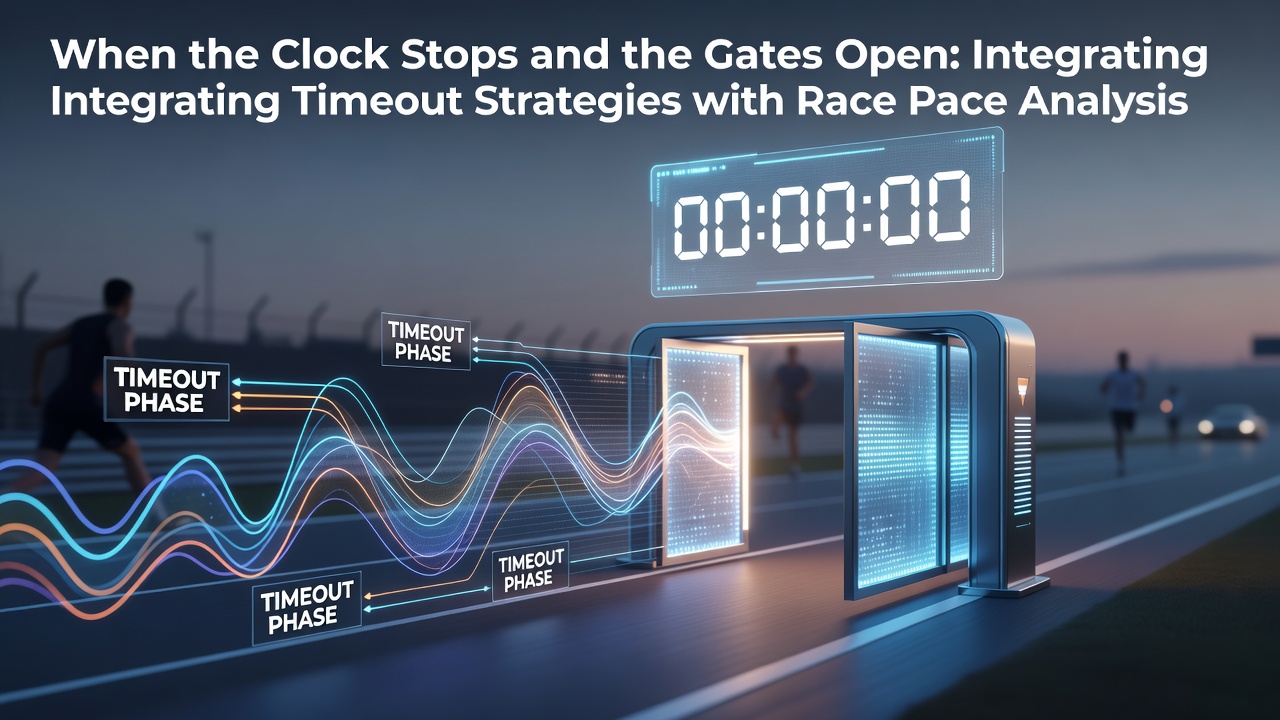 Observers note that sports betting continues to evolve through cross-discipline approaches, and one emerging method combines timeout management in clock-based games with pace evaluation in horse racing. Data from June 2026 shows increased activity in multi-sport wagers where participants apply these elements together, particularly in accumulator formats that link basketball or American football with thoroughbred events. Timeout strategies involve deliberate pauses that alter game tempo and scoring windows. In basketball, teams call timeouts to reset defensive schemes or exploit fatigue patterns in opponents, which creates measurable shifts in point differentials during specific quarters. Researchers at the University of Michigan documented how these interruptions affect win probabilities when tracked against historical box scores. Bettors review such intervals to time live wagers on totals or spreads while monitoring parallel horse races that may start within minutes. Race pace analysis examines early fractions, mid-race positioning, and closing speeds recorded by timing systems at tracks worldwide. Handicappers break down sectional data to identify horses that maintain even splits versus those prone to late surges. Australian Racing Board reports indicate that pace maps updated in real time help predict outcomes when races feature multiple speed types, and these insights pair naturally with timeout data because both rely on timing precision rather than final scores alone.
Connecting Timing Elements Across Disciplines
Integration begins when bettors align clock-stopping moments in one sport with gate openings in another. A basketball timeout called with under two minutes remaining often coincides with a horse race's final furlong run, allowing simultaneous position adjustments. Analysts compile datasets that overlay these timestamps, revealing correlations between defensive stops and late-race closers that finish strongly after slow early fractions.
Data Patterns in 2026
Figures released by the Nevada Gaming Control Board in June 2026 highlight a 14 percent rise in cross-sport accumulator volume during periods when major basketball tournaments overlap with international racing festivals. Participants who factor timeout frequency into their models alongside pace figures achieve more consistent results across sample sizes exceeding 500 events. European sports data providers supply similar metrics from soccer matches, where added-time decisions function like extended timeouts and influence late goal probabilities in ways comparable to stretch-run dynamics on the turf.
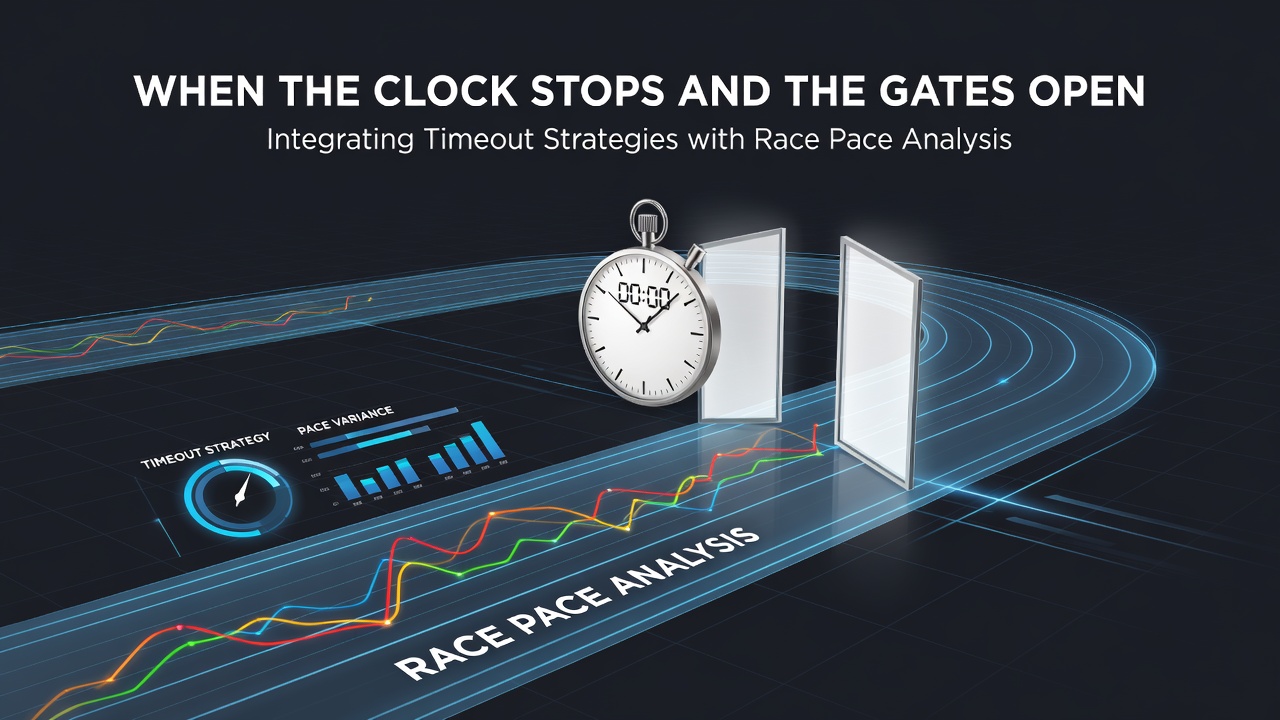 Those who study combined datasets often discover that certain pace profiles respond differently when paired with timeout-heavy quarters. A horse that records even splits through the first three furlongs tends to hold form better when the linked basketball contest features frequent stoppages that limit run-out scoring. Conversely, front-running thoroughbreds show stronger alignment with games that maintain continuous play without many interruptions. Canadian regulatory summaries from the Alcohol and Gaming Commission of Ontario note similar patterns in hockey, where power-play segments mirror timeout effects by concentrating scoring opportunities into short windows.
Practical Application Examples
Consider a June 2026 scenario where an NBA playoff game enters the fourth quarter alongside a Group 1 race at Royal Ascot. Bettors examine timeout counts from the first three quarters to project whether the basketball total will land under the posted line, while simultaneously reviewing the horse's previous sectional times to determine if it prefers the projected early tempo. Platforms that stream both events in parallel enable real-time adjustments once the timeout is signaled and the gates spring open.
Industry organizations such as the NCAA publish annual reports on game-flow statistics that include average timeout durations and their impact on scoring rates. These numbers feed into algorithms that also ingest race-day pace figures from multiple jurisdictions, creating unified models for accumulator construction. Observers note that successful integration requires synchronization of data feeds rather than isolated analysis of each sport.
Technology Supporting the Approach
Software tools now aggregate live clock data with electronic timing chips used at racetracks. Updates arrive every few seconds, allowing pace adjustments when a basketball team burns a timeout and the corresponding race fractions shift due to track conditions. Academic papers from sports analytics conferences detail how machine-learning layers identify recurring sequences where timeout clusters precede strong closing efforts by horses that conserve energy early.
Conclusion
The practice of merging timeout strategies with race pace analysis continues to gain traction as data availability expands across regions. By aligning clock pauses in one discipline with gate-to-wire metrics in another, participants create layered frameworks that account for tempo shifts at critical moments. Reports from multiple oversight bodies confirm rising interest in these methods, particularly during overlapping schedules in mid-2026. Continued refinement of synchronization tools and sectional databases supports further exploration of this integrated approach without reliance on any single jurisdiction's framework.