Seasonal Timing Patterns Between Global Basketball Events and Regional Football Leagues Support Multi-Bet Forecasting Models
Core Scheduling Structures Across Sports
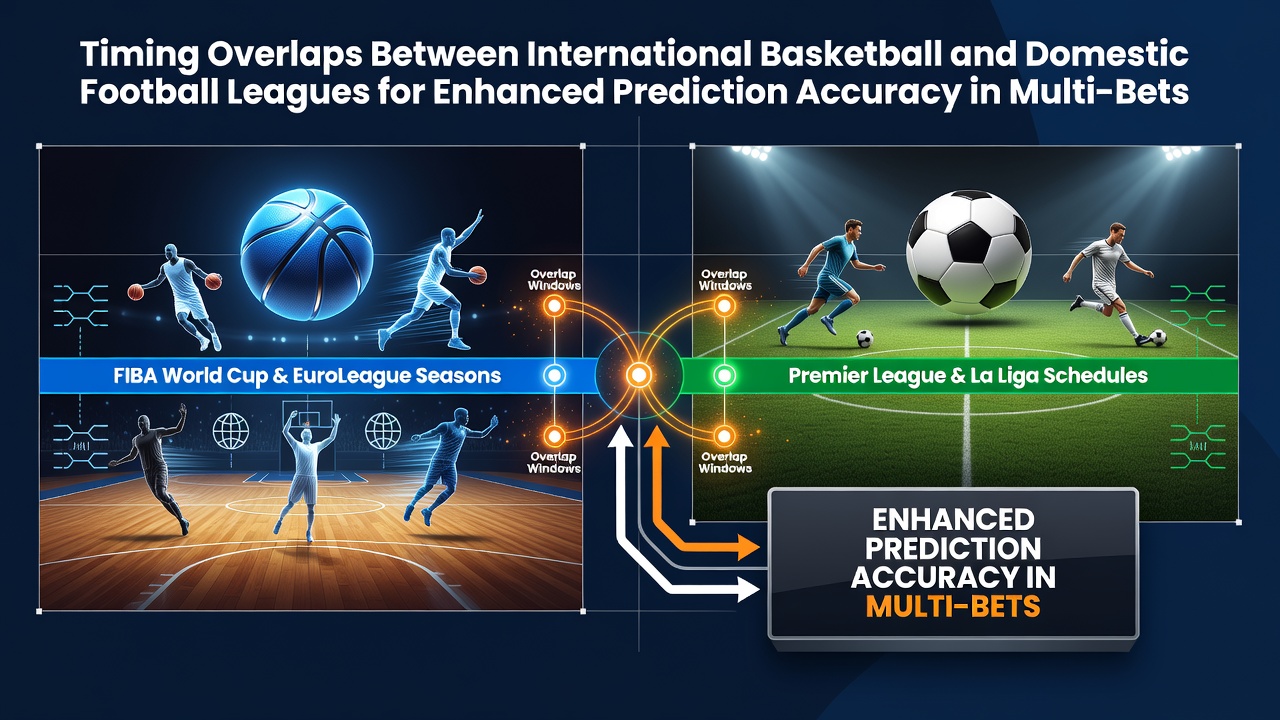
International basketball competitions organized by FIBA operate on fixed qualification windows that frequently align with the conclusion or early stages of domestic football seasons in Europe and South America, and data from league calendars indicate these periods occur in late spring and early autumn each year. Domestic football leagues such as the Bundesliga and Serie A maintain 38-match schedules that conclude in May while restarting in August, yet FIBA windows in July and August create brief windows where national team basketball duties intersect with pre-season football preparations. Observers note that these alignments allow analysts to track player availability across both sports because fatigue from one discipline can influence performance metrics in the other when fixtures occur within days of each other.
National basketball associations in North America and Europe publish annual calendars that list international commitments months in advance, and football governing bodies release fixture lists that account for FIFA and UEFA dates, which means bettors gain access to predictable overlap data well before the events unfold. In July 2026, FIBA Asia Cup qualifiers and Olympic preparation events coincide with the final weeks of South American domestic football campaigns in countries like Brazil and Argentina, where league play often extends into early July before the winter break. Researchers at sports analytics centers have compiled multi-year datasets showing that teams resting key players during these overlaps experience measurable drops in scoring efficiency during subsequent matches.
Overlap Periods and Their Measurable Effects
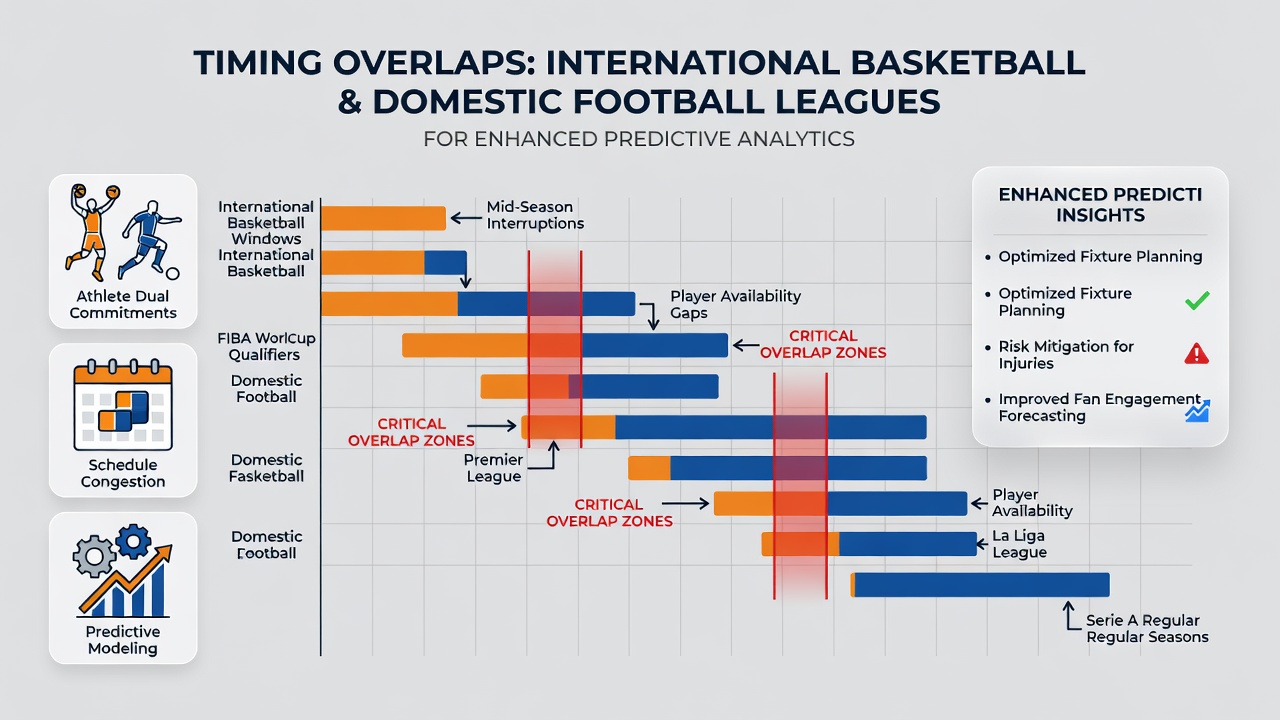
European football leagues enter a condensed schedule phase each spring when domestic cups and league matches pile up, and this period regularly overlaps with EuroBasket or World Cup qualifying campaigns that pull players from club duties. Those who study fixture congestion find that basketball players returning from national team duty after long-haul flights show reduced three-point accuracy in the first two games back with their clubs, while football squads missing multiple starters during the same window post lower expected goal totals according to performance tracking platforms. The reality is that these patterns repeat across seasons because governing bodies coordinate calendars to avoid direct clashes yet cannot eliminate all travel and recovery demands.
Domestic football in Asia and Australia follows a calendar that runs from September through May in many leagues, which creates direct overlaps with NBA regular season games and FIBA Asia events held between October and April. Figures from regional sports federations reveal that Australian A-League teams competing in Asian Champions League matches during NBA season weeks encounter higher injury rates when star players balance club and country obligations. Analysts tracking these overlaps compile historical results to adjust probability models for accumulators that combine basketball moneylines with football over/under totals.
Application in Accumulator Construction
Multi-bet operators and data providers publish tools that cross-reference start times and rest periods across basketball and football, allowing users to select legs where recovery windows favor one side. For instance, a Thursday night NBA playoff game followed by a Saturday football match involving the same city or region can influence travel and motivation factors that appear in betting markets. Those who model these sequences incorporate variables such as time-zone changes and back-to-back scheduling because evidence from past seasons demonstrates measurable impacts on point differentials and clean sheet probabilities.
Leagues in Canada and the United States publish detailed injury reports that cover both NBA and MLS participants, and cross-sport datasets from academic institutions show correlations between consecutive high-intensity events and subsequent performance declines. Bettors who monitor these reports adjust stake allocations on accumulators that span both disciplines rather than treating each sport in isolation. The approach relies on publicly available schedule information rather than proprietary insights, and multiple research groups have validated the method through retrospective testing on completed seasons.
Regional Calendar Variations
South American football leagues maintain year-round competition with short breaks, which produces frequent intersections with FIBA Americas events held throughout the calendar year. In contrast, European football pauses during summer months while international basketball activity peaks with continental championships, creating distinct overlap windows that differ from those observed in Asia. Data compiled by university sports science departments across continents indicate that these regional differences affect prediction accuracy when models account for travel distance and climate transitions between venues.
Australian and New Zealand football competitions align with northern hemisphere off-seasons, which means their domestic fixtures rarely clash with major European basketball tournaments yet do intersect with NBA summer league periods. Observers tracking these patterns compile comparative tables that list rest days between events, and teh resulting statistics feed into forecasting engines used for multi-leg selections. The information remains accessible through official league portals and federation announcements that update on fixed schedules.
Conclusion
Timing overlaps between international basketball events and domestic football leagues supply structured data that forecasting models incorporate when constructing multi-bets across both sports. Schedule coordination by governing bodies produces recurring patterns that performance datasets capture through injury reports, travel logs, and recovery metrics. Analysts who integrate these variables into probability calculations operate with information drawn from public calendars released by leagues and federations worldwide. The resulting frameworks rely on observable scheduling facts rather than subjective assessments, and ongoing collection of results across multiple seasons continues to refine the precision of such cross-sport approaches.