Refining Daily Accumulators Through Integrated Injury Analysis Across Sports
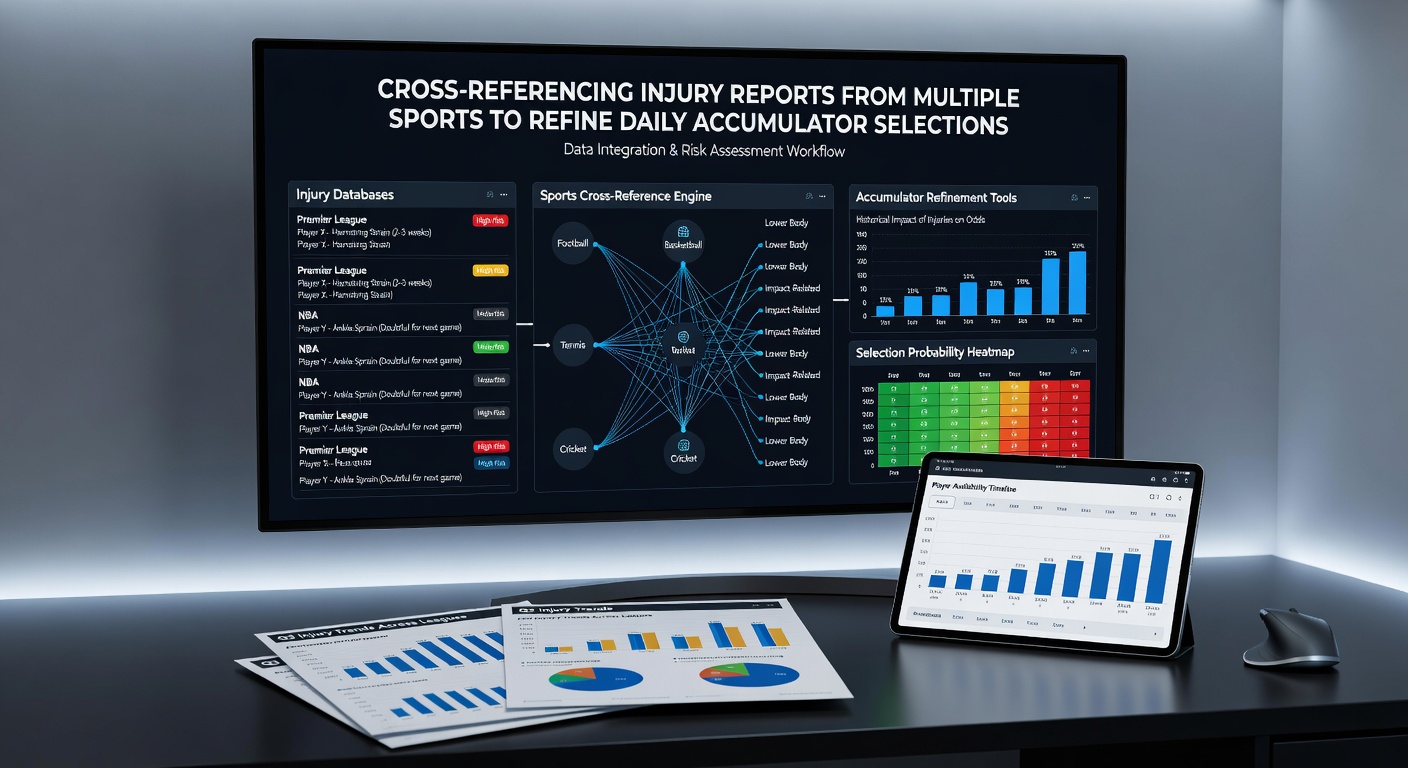
Analysts in the betting sector have observed growing interest in methods that pull injury data from several sports at once to shape accumulator selections and data from June 2026 indicates sustained activity in this approach as schedules overlap across major leagues. Teams in football report hamstring strains at consistent rates while basketball squads track ankle issues and tennis players log shoulder concerns so cross-referencing these streams gives a clearer picture of which legs in a multi-sport bet carry elevated risk.
Core Data Sources and Collection Methods
Official league medical reports supply the foundation and researchers compile these alongside university studies that track player availability over multiple seasons. The National Collegiate Athletic Association maintains an injury surveillance program that releases annual summaries while the Australian Institute of Sport publishes comparable figures for its domestic competitions and these datasets allow observers to identify patterns such as elevated soft-tissue injuries during congested fixture periods that recur across codes.
Betting operators now integrate feeds from these sources into dashboards that flag when a key defender in one sport sits out the same weekend a star forward in another league returns from a similar ailment. Such alignment matters because an accumulator spanning football and basketball legs can shift odds when two separate reports both point to reduced offensive output on a given day.
Practical Cross-Referencing Techniques
One established workflow begins with a central spreadsheet that lists confirmed absences by sport and date then adds columns for historical performance drops following comparable injuries. Analysts run queries that highlight matches where both teams in a football fixture face missing starters while a basketball team on the same ticket has its primary scorer listed as questionable and the overlap often produces adjusted point totals that reflect the combined effect.
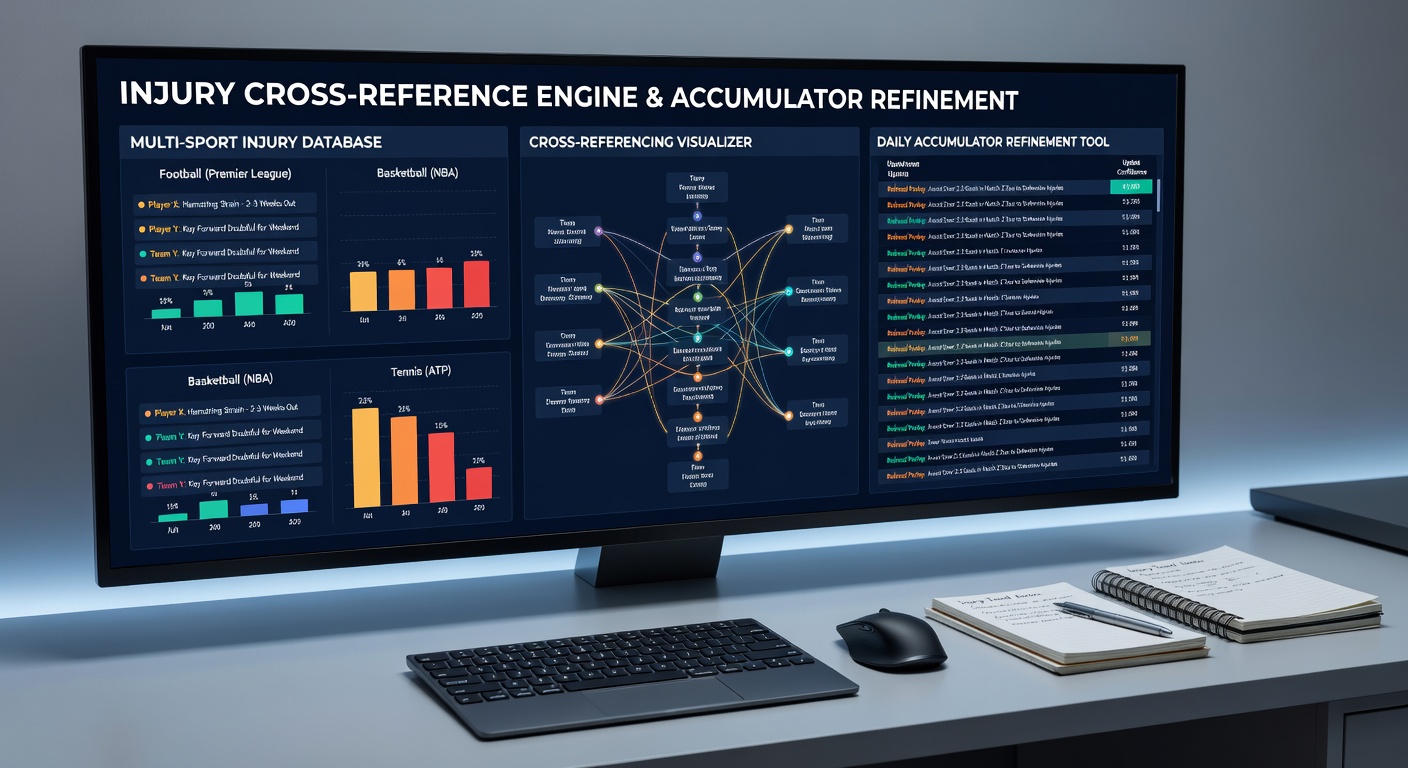
Studies from the American Journal of Sports Medicine have documented that athletes returning from lower-body strains exhibit measurable declines in sprint metrics for up to three weeks and these metrics translate directly into expected goal or point reductions when the same recovery window applies to multiple sports on a single accumulator slip. Operators note that users who layer such recovery timelines across football and basketball legs achieve more stable hit rates than those who rely on single-sport reports alone.
Impact on Accumulator Construction
Daily accumulators that mix evening football matches with morning basketball games benefit when injury updates from both codes arrive within hours of each other. A late scratch in one sport can offset an expected strong showing in another and the net variance drops when bettors adjust stake sizes or swap legs accordingly. Data released by the Nevada Gaming Control Board for the first half of 2026 shows a measurable uptick in accumulator volume during periods when multiple leagues publish midweek injury bulletins.
Traders at major platforms adjust live odds within minutes of verified reports and those adjustments create windows where cross-referenced information yields value before the market fully incorporates the combined data. Observers note that the process requires rapid verification from multiple official channels yet the payoff appears in tighter risk profiles for four-leg and five-leg tickets that span different disciplines.
Challenges and Verification Steps
Accuracy depends on the speed and completeness of each league's disclosure and some competitions release full medical notes later than others so analysts maintain backup lists of probable rather than confirmed absences. Cross-checking against team social media accounts and local beat reporters adds another filter yet these secondary sources require careful weighting to avoid premature reactions that distort accumulator pricing.
Regulatory frameworks in several jurisdictions encourage transparent reporting of player availability and those rules indirectly support the cross-sport method by ensuring baseline data quality. The result is a growing library of historical correlations that link specific injury types in one sport to performance metrics in another and the library continues to expand as June 2026 schedules bring additional overlapping windows.
Conclusion
Cross-referencing injury reports across sports supplies a structured way to refine daily accumulator selections by aligning medical timelines and performance impacts from separate leagues. Continued collection of standardized data from governing bodies and academic sources supports further refinement of these techniques while operators and bettors alike track how the combined datasets influence outcomes in multi-leg wagers.