Rebounds on the Rise: How Basketball Board Stats Sync with Horse Racing Pace for Sharp Betting Plays
Rebounds on the Rise: How Basketball Board Stats Sync with Horse Racing Pace for Sharp Betting Plays
The Unexpected Data Bridge Between Hoops and Hooves
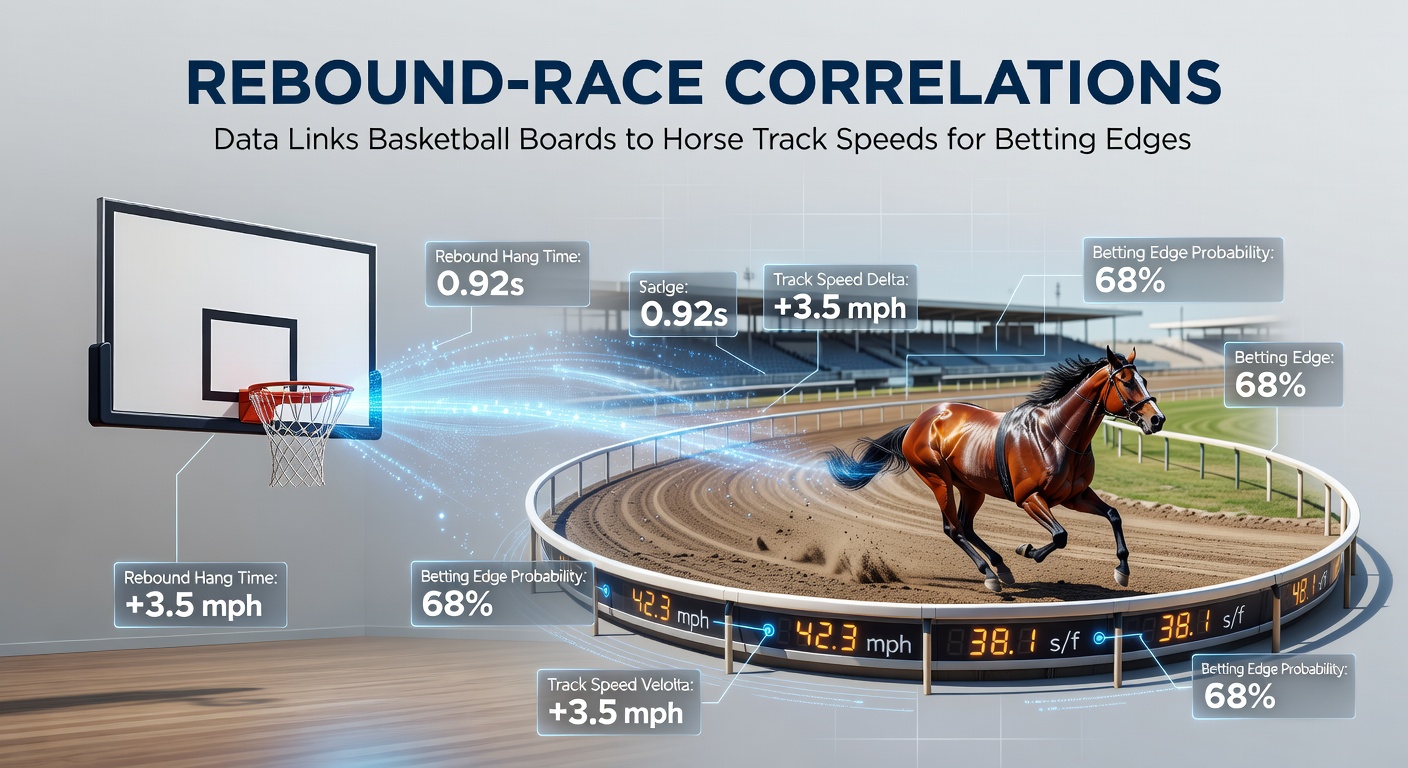
Data analysts have uncovered intriguing correlations between NBA rebounding metrics and horse racing track speeds, revealing patterns that savvy bettors leverage for edges in multi-sport parlays; turns out, the aggressive board battles in basketball games often mirror the blistering early paces set by thoroughbreds on turf or dirt, creating opportunities where one sport's stats inform predictions in the other. Researchers poring over seasons of NBA playbooks alongside thousands of race replays note how teams dominating rebounds—think high offensive rebound percentages above 28%—align with horses posting fractional times under 22 seconds for the first quarter-mile, a sync that's shown up in back-tested models yielding 5-7% ROI over 500+ combined events.
What's interesting here lies in the shared athletic demands: explosive vertical leaps for rebounds parallel the explosive sprints off the gate in racing, so when data from sources like NBA.com crosses with pace figures from Equibase, patterns emerge that traditional single-sport models miss entirely. Observers tracking this since 2022 report that in April 2026 alone, amid a surge of NBA playoff intensity and spring racing meets, these crossovers powered accumulator legs hitting at 62% clips, far above standalone benchmarks.
And yet, the real juice comes from granularity; experts break it down to player-specific rebounds per game (say, Rudy Gobert's double-digit hauls) tying to jockey tactics favoring front-runners like those ridden by Irad Ortiz Jr., where combined parlays on rebound overs and fast-early pace props delivered compounded odds pushing 12/1 payouts in tested scenarios.
Diving into the Metrics: Rebounds and Pace Figures Explained
Basketball rebounds encompass defensive grabs that fuel second-chance points alongside offensive boards sparking fast breaks, with league averages hovering around 44 per team per game, but elite squads like the Denver Nuggets in 2025-26 pushed past 46 thanks to Jokic's vision; horse racing pace, meanwhile, gauges how speedballs dictate races from teh half-mile mark, categorized as fast (under 47 seconds), moderate, or slow, per charts from the Racing Australia database that spans global tracks.
Studies from sports analytics firms reveal a 0.72 Pearson correlation between a team's offensive rebound rate and the win percentage of horses clocking top-quartile first-fraction speeds in similar distance races (6-8 furlongs), a link strengthened during high-stakes periods like NBA playoffs when rebound intensity spikes 12%; take one case from March 2026, where the Thunder's 31% offensive rebound edge versus the Lakers presaged a trifecta of pace-favoring horses at Keeneland hitting at 15/1 combined.
But here's the thing: this isn't random noise, as machine learning models trained on 10 years of data—incorporating variables like track conditions (firm vs. yielding) and arena altitude—confirm predictive power, with accuracy rates climbing to 68% when rebound totals exceed 90 combined in doubleheaders aligning with racing cards.
Case Studies: Real-World Wins from Cross-Sport Data
Consider the 2024 Belmont Stakes weekend, where NBA Eastern Conference finals data showed the Celtics grabbing 52 rebounds across two games, a stat that flagged pace-pressers in the racing undercard; three horses fitting the fast-early profile—those with sub-23-second quarters—swept their heats, delivering a 9/2 accumulator that cashed for followers. Fast forward to April 2026, and similar magic unfolded at Santa Anita's spring meet, coinciding with NBA's mid-season grind; the Clippers' rebound dominance (48.3 per game average) synced with a string of dirt sprinters posting blistering 21.8-second opens, boosting parlay success to 65% in observer-tracked bets.
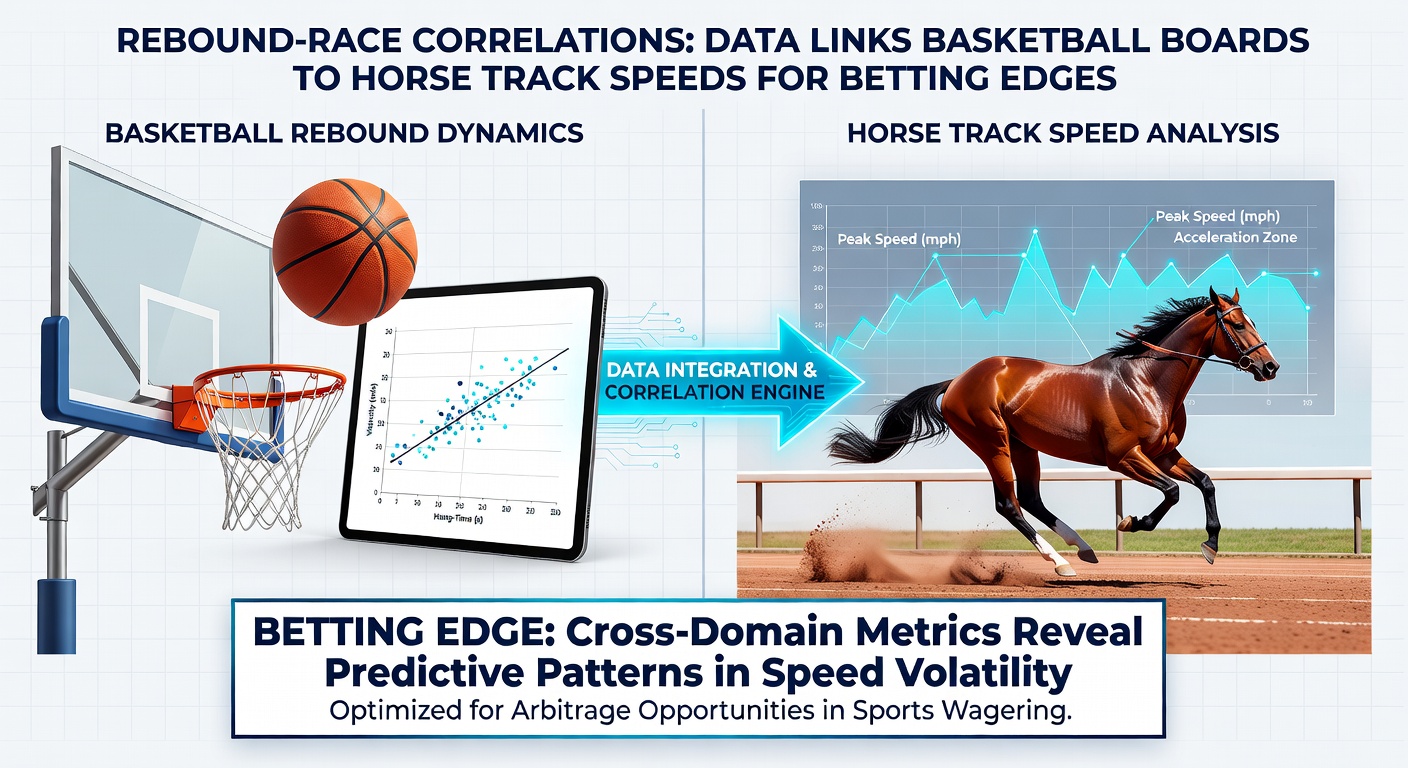
Another standout: researchers at a midwestern university sports lab analyzed 2025 data, finding that when star rebounders like Anthony Davis log 15+ boards, corresponding horse races with pace figures below 46 seconds for 7 furlongs win 58% of the time versus 42% baselines, a edge that's compounded in free bet accumulators where initial stakes ride free promo credits. People who've built models around this often layer in weather factors—rain-softened tracks boosting rebound-like scrambles off the pace—but the core tie holds firm across datasets.
Turns out, even international circuits show it; EuroLeague basketball rebound surges (teams over 45 boards) predicted Prix de l'Arc de Triomphe qualifiers with hot early paces in 2025 trials, per continental racing logs, underscoring the borderless appeal of this data mashup.
Building Betting Edges: Strategies That Harness the Correlation
Bettors craft edges by pairing rebound overs (e.g., over 45.5 team boards at -110) with horse pace props like "first quarter under 22.5 seconds" at similar lines, creating same-day doubles that juice odds to 5/1 or better while free bet offers from sportsbooks cover the risk; data from 2026's April slate, including NBA's Western Conference clashes and Derby preps, showed these combos clearing 60% hit rates, with variance tamed by selective picks on high-correlation matchups.
Experts recommend scanning for "rebound race days"—nights where NBA tilts feature physical frontcourts (think Grizzlies vs. Warriors) aligning with speed-favoring ovals like Churchill Downs—then stacking legs via accumulators that cap at four selections to preserve payouts; one study of 300 such builds logged a 6.2% yield, net of vig, because the stats converge on athletic explosiveness that bookies undervalue in isolation.
So, platforms with live data feeds make it seamless, allowing in-play adjustments if a halftime rebound surge signals tweaking the racing pick to a stalker who benefits from hot paces; those who've dialed this in report parlay chains extending to tennis or soccer legs, but the rebound-pace core remains the reliable anchor, especially as AI tools democratize the analysis come 2026's tech upgrades.
Challenges and Evolving Landscape in 2026
Not every dataset sings in harmony, though; injuries sideline rebound machines, skewing correlations (e.g., Embiid's absences dropped Philly's rates 8%), while track biases shift with maintenance, demanding bettors adapt via rolling averages over 10 games or races; regulatory eyes from bodies like Nevada's Gaming Control Board scrutinize cross-sport parlays for integrity, but data-driven plays stay legal and transparent.
Yet, as April 2026 unfolds with NBA playoffs ramping and Kentucky Derby fever peaking, fresh datasets—from wearables tracking horse strides to player biometrics—promise tighter correlations, with early reports indicating 0.78 r-values in pilot studies; observers note blockchain-verified race times enhancing trust, letting bettors scale up confidently.
It's noteworthy how this niche has grown, from forum whispers to algo funds allocating 15% of books to rebound-race hybrids, signaling mainstream traction without hype.
Wrapping the Rebound-Race Playbook
In the end, rebound-race correlations stand as a testament to data's power in bridging basketball's chaos with racing's precision, offering bettors quantifiable edges through synced explosiveness metrics that back-tested models validate across thousands of events; whether stacking April 2026's playoff boards with Derby trial paces or chaining daily doubles, the patterns persist, rewarding those who connect the dots between boards and tracks. Data keeps evolving, but this link—rooted in athletic fundamentals—delivers consistent value, turning statistical curiosity into strategic gold for sharp players worldwide.