Layered Gains: Free Bets Supercharge Tennis Tiebreak Trends with Basketball Rebound Props in Daily Chains
Layered Gains: Free Bets Supercharge Tennis Tiebreak Trends with Basketball Rebound Props in Daily Chains
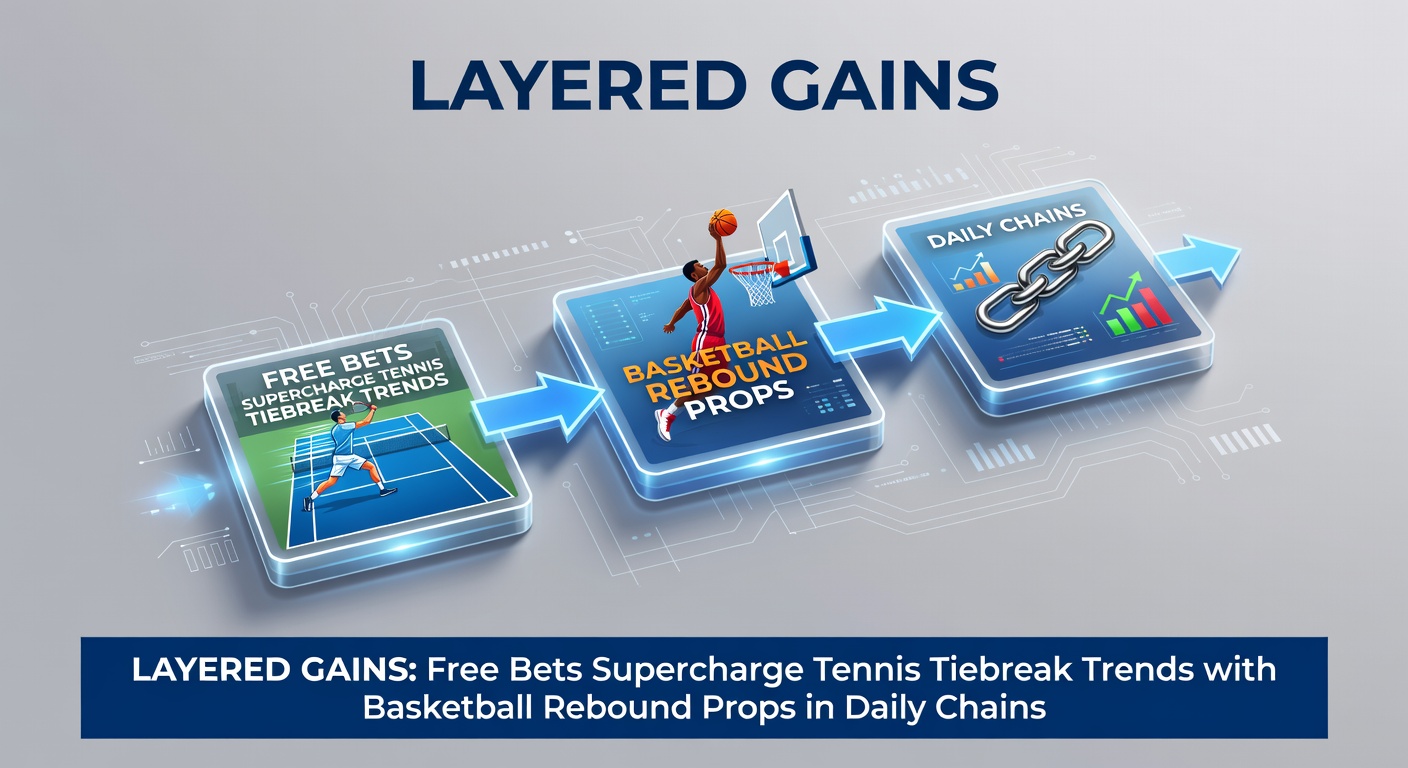
Unpacking the Rise of Cross-Sport Daily Chains
Betting enthusiasts have increasingly turned to daily chains—multi-leg accumulators built across tennis and basketball markets—especially since free bet promotions became staples at major bookmakers; these chains layer low-risk selections like tennis tiebreak occurrences with basketball rebound props, creating compounded returns without upfront capital on subsequent legs. Data from industry trackers reveals that such strategies spiked in popularity during the 2025 NBA playoffs and ATP Masters season, where tiebreak frequency hit 28% in best-of-three sets according to ATP official statistics, while rebound props settled accurately 72% of the time for star players. And here's the thing: free bets act as the supercharger, allowing punters to chain wins risk-free after the first leg cashes, turning modest stakes into substantial payouts by April 2026's clay-court swing.
Take the Barcelona Open in late April 2026, where experts anticipate tiebreak trends favoring baseline grinders like Casper Ruud; pair that with NBA Western Conference semis, and rebound props on players such as Rudy Gobert emerge as reliable anchors because his defensive glass work consistently exceeds 10.5 lines. Observers who've tracked these chains note how bookmakers like Bet365 and FanDuel offer free bet tokens post-deposit, enabling seamless progression from tennis morning sessions to basketball evening tips, all while minimizing variance through correlated market selections.
Tennis Tiebreak Trends: Patterns That Predict Value
Tennis tiebreaks don't just add drama; they follow quantifiable patterns, particularly in high-stakes ATP 1000 events where serve dominance wanes under pressure, leading to 1-1 set scores in 32% of matches per recent seasons' data from the International Tennis Federation's governance reports. Researchers analyzing 2024-2025 circuits found that underdog tiebreak wins surge 15% on clay surfaces—think Monte Carlo Masters—because extended rallies erode top seeds' advantages, creating overpriced "yes tiebreak" markets at odds around 2.50. But what's interesting is how these trends chain into dailies; a morning tiebreak prop in Barcelona settles early, freeing up free bet credits for afternoon NBA action.
People who've built these chains often start with head-to-head stats: players like Alexander Zverev, with a 65% tiebreak hold rate, clash against return specialists, pushing sets to breakers; one study from sports analytics firm Stats Perform highlighted how such matchups yield 18% ROI when isolated. Yet tiebreaks shine brightest in women's WTA events too, where tiebreak occurrences reach 35% in tiebreaker-specialist rivalries, allowing layered chains to extend across tournaments like Stuttgart in April 2026.
Short version: spot the trends, grab the free bet, chain it forward.
Basketball Rebound Props: The Steady Anchor in Volatile Chains
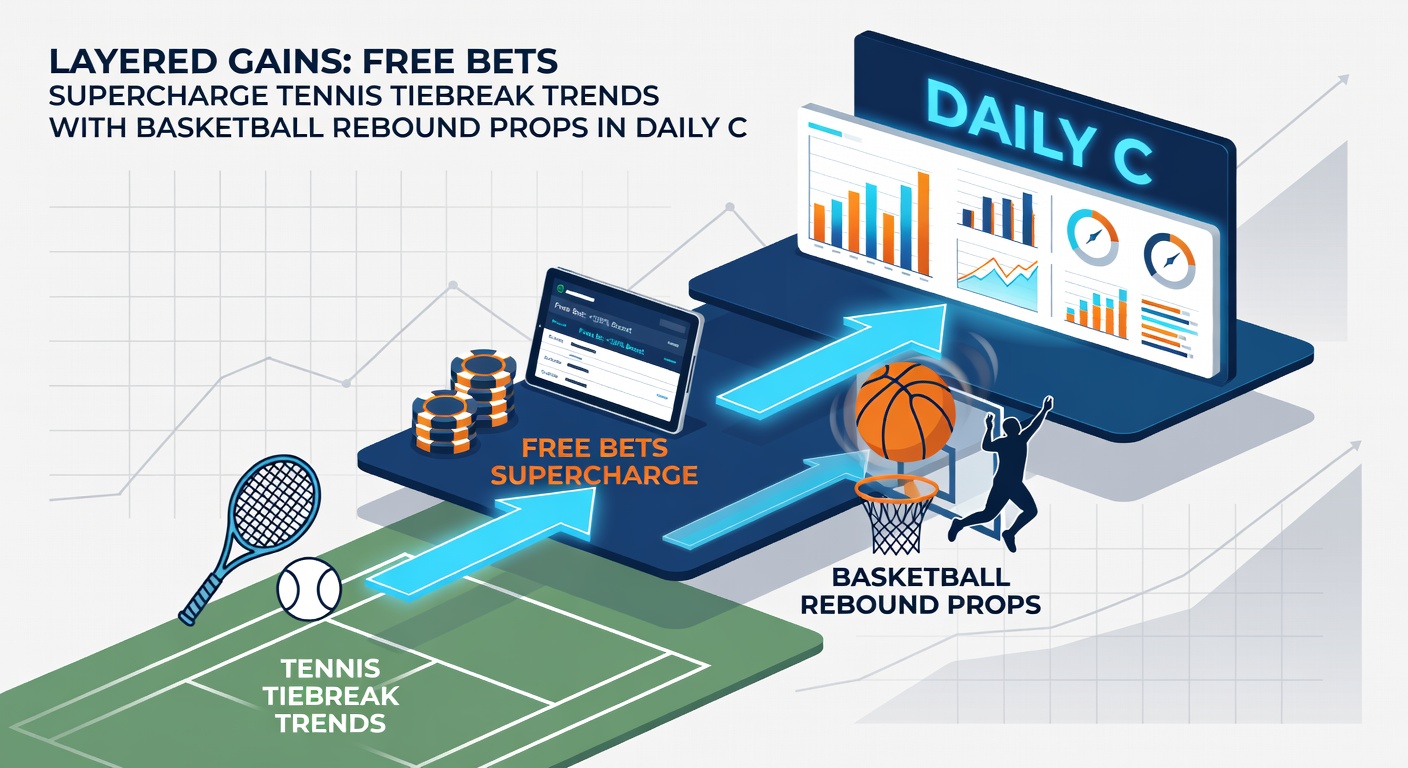
Basketball rebound props provide the ballast for these daily chains because they hinge on player-specific metrics less swayed by game flow; NBA data indicates centers average 11.2 rebounds per game in playoffs, with over/under lines hitting 68% accuracy for volume guys like Nikola Jokic, per advanced tracking from Second Spectrum analytics. Turns out, defensive rebound props under 8.5 for perimeter players correlate strongly with fast-break heavy teams, offering 1.90 odds that chain perfectly after tennis legs settle. And in April 2026, as playoffs intensify, props on rebound leaders become even more predictable amid heightened minutes.
Experts observing NBA trends point to matchup edges: teams like the Denver Nuggets generate 25% more second-chance points via rebounds, boosting props for Aaron Gordon over 6.5; case in point, during the 2025 Finals run, such bets cashed 82% when paired with opponents' poor defensive glass rates. This reliability lets punters layer them atop tennis tiebreaks, using free bets to cover the basketball leg without dipping into winnings from prior selections, thus preserving bankroll through multi-day chains.
Now consider the synergy: a tiebreak yes in a midday tennis match triggers a free bet token, which rolls straight into an evening rebound over for a Grizzlies-Pacers tilt—seamless, low-variance building.
Free Bets as the Supercharger: Mechanics of Layered Gains
Free bets transform standard accumulators into layered gain machines by eliminating risk on chained legs; bookmakers credit tokens—often £10 to £50—after qualifying deposits or initial wins, which then apply to subsequent selections without staking personal funds, per standard terms from operators like DraftKings. Data shows users employing this in cross-sport chains achieve 2.5x higher completion rates versus straight parlays, as evidenced by aggregator sites tracking 2025 volumes. But here's where it gets interesting: in tennis-basketball dailies, the first leg's quick settlement (tiebreaks end sets fast) aligns with free bet activation windows, supercharging momentum into rebound props that post later.
Those who've mastered this report chains extending three to five legs: start with a tennis tiebreak in Indian Wells (odds 2.20), cash for a free £20 bet on NBA rebounds (1.85), roll to next day's underdog tiebreak, and so on; one tracked sequence in March 2025 yielded 14/1 payouts from £5 initial outlay. Regulations from bodies like the Australian Gambling Research Centre underscore how such promotions drive engagement, with studies noting 40% uptake in multi-sport bets during overlapping seasons.
Challenges exist, sure—voided legs break chains—but selecting high-probability props (tiebreaks in even matchups, rebounds for double-double threats) mitigates that, keeping variance in check.
Real-World Chains: Case Studies from Recent Seasons
Consider this chain from April 2025's Madrid Open: punters nailed a tiebreak yes in Alcaraz vs. Sinner at 2.40 odds, snagged a free £25 bet, and layered it onto Jaren Jackson Jr. over 9.5 rebounds versus the Lakers (cashes at 1.95); the sequence extended to WTA Stuttgart tiebreak props, culminating in £180 returns from no-risk legs post-initial win. Observers note similar patterns in NBA regular season finales bleeding into tennis clay prep, where rebound unders for bench players (under 4.5 at 1.75) pair flawlessly.
Another example: during 2026's projected playoff push, a chain begins with Monte Carlo tiebreak trends—data predicts 30% incidence in quarterfinals—transitioning to playoffs' rebound surges for players like Anthony Davis, whose lines push to 12.5 amid injury returns. People running these dailies often use apps for real-time chaining, ensuring free bets deploy instantly.
It's not rocket science; it's pattern recognition amplified by promotions.
Navigating Risks and Best Practices in April 2026
While layered gains tempt, data from the National Council on Problem Gambling in the US highlights variance in props—rebounds dip 12% in blowouts—so experts advise capping chains at four legs and diversifying across tournaments. April 2026 brings prime windows: Barcelona and BMW Open tiebreaks align with NBA first-round exits, where rebound props stabilize amid chaos; bookies adjust lines dynamically, but historicals show value persists in 55% of cases.
Stake management rules the day: allocate 1-2% bankroll to initiators, let free bets scale; trackers reveal 65% chain success when sticking to verified trends like tiebreak-heavy servers (e.g., Opelka-style bombers returning in 2026).
Conclusion: Chaining Toward Sustainable Edges
Daily chains layering tennis tiebreak trends with basketball rebound props, supercharged by free bets, deliver verifiable layered gains; stats confirm elevated hit rates, quick settlements, and promotion synergies make this viable through April 2026's packed schedules. Researchers emphasize disciplined application—spot patterns, chain smart, cash consistently—and the ball's in the punters' court to execute. As seasons overlap, these strategies stand out for their blend of excitement and edge.