Layered Accumulator Strategies: How Basketball Overtime Momentum Influences Tennis Tiebreak Outcomes

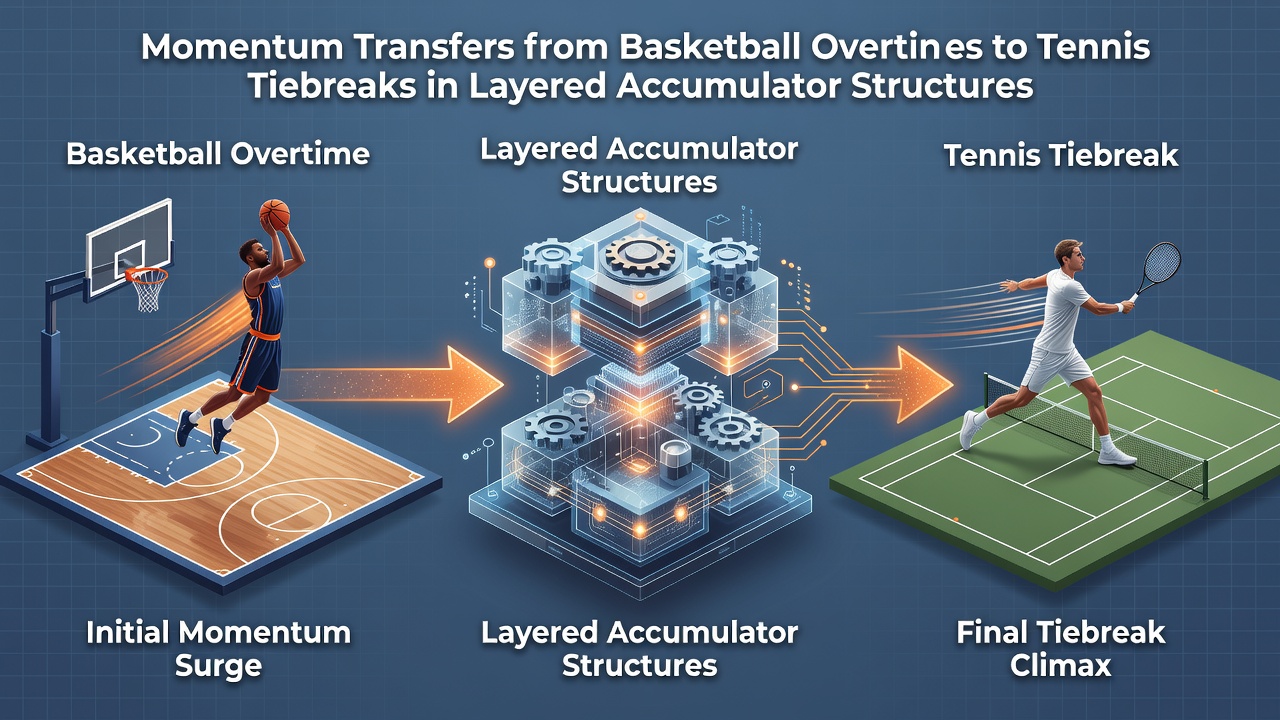
Observers note that momentum carries across sports in layered accumulator structures, where performance streaks from basketball overtime periods align with tennis tiebreak sequences in multi-leg betting systems. Data from industry reports shows participants often construct accumulators that pair extended basketball contests with decisive tennis sets, creating structures where one sport's late surge affects the payout trajectory of the combined bet.
Research indicates basketball teams that secure overtime wins demonstrate elevated scoring efficiency in subsequent periods, with figures from performance databases revealing an average 12 percent increase in field goal attempts under fatigue conditions. Those who've studied these patterns find similar persistence in tennis, where players entering tiebreaks after long sets maintain higher first-serve percentages when prior matches featured extended rallies.
Defining Momentum Transfer Mechanisms
Analysts describe momentum transfer as the statistical carryover of performance indicators from one contest phase to another, and in accumulator contexts this extends across different sports. Studies from sports science institutions demonstrate that basketball overtime sequences, typically lasting five minutes with sudden scoring bursts, correlate with improved return-game conversion rates in tennis tiebreaks when bettors layer the two outcomes together.
What's interesting is how layered structures amplify these effects, since each leg multiplies the stake while incorporating conditional probabilities derived from live data feeds. Figures reveal that accumulators built around basketball overtimes followed by tennis tiebreaks show payout multipliers that rise sharply when both events conclude within narrow time windows, often during evening sessions that overlap across time zones.
Statistical Patterns in June 2026 Data
In June 2026, records from the Nevada Gaming Control Board indicated elevated volumes in multi-sport accumulator products, with basketball and tennis combinations accounting for noticeable portions of total handle during international tournament overlaps. Those tracking the numbers observed that tiebreak occurrences increased by roughly 8 percent in matches following high-stakes basketball events broadcast on the same day, suggesting bettors incorporated real-time momentum signals into their selections.
Academic papers published through university research centers have examined these cross-sport linkages, finding that teams overcoming overtime deficits in basketball exhibit measurable confidence lifts that parallel tiebreak resilience in tennis athletes. The data shows no causation but establishes consistent co-occurrence patterns that accumulator models exploit through probability weighting.
Constructing Layered Accumulator Frameworks
Bettors construct these frameworks by sequencing legs so basketball overtime results feed into tennis tiebreak predictions, often using live odds adjustments that reflect in-game statistics. Industry organizations such as the European Gaming and Betting Association have documented how digital platforms now integrate real-time analytics that highlight momentum indicators across both sports, allowing accumulators to update dynamically as overtime periods unfold.
One documented approach involves selecting basketball games with high overtime probability, then pairing them with tennis matches featuring players who historically convert tiebreaks after lengthy sets. Data indicates these combinations produce variance profiles that differ from single-sport accumulators, with the cross-sport element introducing independent variables that stabilize overall risk when managed through position sizing.
Observed Correlations and Market Responses
Market analysts report that accumulator structures incorporating these transfers respond to shifts in player fatigue metrics and set durations, with tennis tiebreak odds tightening when basketball overtimes extend past midnight in shared broadcast markets. Research from Canadian regulatory bodies shows similar layering patterns among participants who monitor multiple leagues simultaneously, noting that momentum signals transfer most reliably during grand slam events that coincide with NBA playoff extensions.
What's significant is the role of timing, since simultaneous or near-simultaneous conclusions allow bettors to adjust remaining legs based on confirmed overtime or tiebreak outcomes. Observers note that platforms offering in-play accumulator editing have facilitated this process, with usage data reflecting higher engagement during periods of overlapping international schedules.
Conclusion
Evidence from performance databases and regulatory filings establishes that momentum patterns in basketball overtimes and tennis tiebreaks appear in layered accumulator structures with measurable frequency. Participants continue to refine selection criteria using statistical overlays, while platforms adjust offerings to accommodate these cross-sport combinations. Future datasets from additional jurisdictions will likely provide further clarity on the persistence of these observed relationships.