Coordinating Calendar Gaps Across Major Sports for Structured Multi-Event Betting Sequences

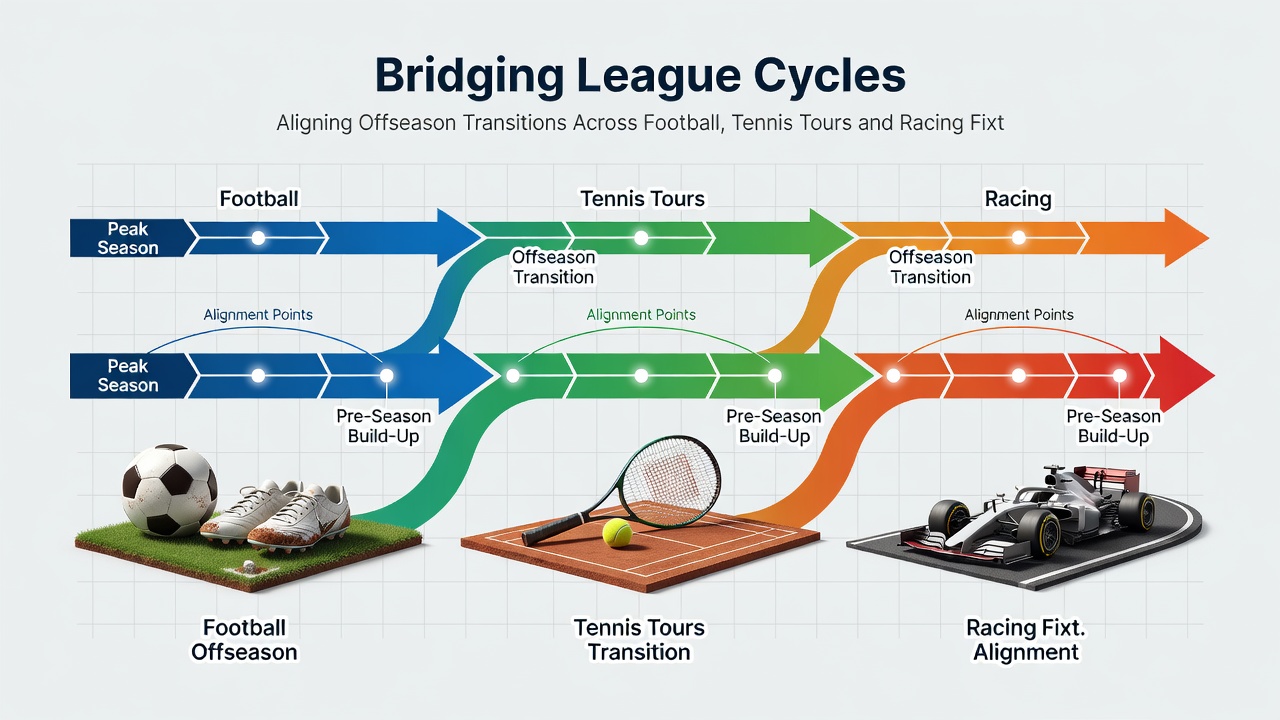
Football leagues in Europe typically conclude their domestic campaigns by late May, while pre-season fixtures begin in early July and the new season kicks off in mid-August, creating a defined window where attention often shifts to other sports. Tennis tours maintain continuous activity through the year, yet the ATP and WTA calendars feature distinct breaks after Wimbledon in July before the hard-court swing starts in North America. Horse racing fixtures in teh UK and Ireland run year-round, though major festivals cluster around spring and autumn, leaving mid-summer meetings at tracks such as Ascot and Newmarket that attract different betting volumes.
Mapping Key Offseason Windows in 2026
July 2026 sits at the intersection of these cycles, with football clubs conducting training camps across Europe and Asia while national teams prepare for international windows later in the summer. Tennis players transition from grass to hard courts, with events scheduled in Los Angeles, Toronto, and Cincinnati providing daily match opportunities. Racing continues with mid-week cards at venues including Haydock and York, where ground conditions and field sizes vary according to weather patterns recorded by the British Horseracing Authority. Observers note that these staggered schedules allow bettors to layer selections across different time zones and event types without direct overlap in fixture congestion.
Football Pre-Season and Its Role in Accumulator Construction
Clubs release their pre-season schedules by early June, listing friendlies against lower-league sides or overseas tours that often feature experimental line-ups. Data from Opta shows average goals per game in these matches frequently exceed regular-season figures due to defensive rotations. Bettors who track squad announcements from official club channels can identify patterns in goal tallies or player involvement that feed into multi-leg selections. European transfer windows close on 31 August, so July movements create additional variables when teams integrate new signings during warm-up games.
Tennis Tour Adjustments During the Northern Hemisphere Summer
The ATP calendar lists 250 and 500 series events immediately after Wimbledon, while the WTA follows a parallel structure with tournaments in Washington and Montreal. Surface transitions affect match durations, with hard courts generally producing quicker points than grass. Researchers at the University of Loughborough have examined rally lengths across surfaces, finding measurable differences that influence over-under markets. Players returning from injury or managing schedules post-major often appear in these events, and historical performance data from the official ATP and WTA sites provides baseline statistics for form assessment.
Racing Fixtures and Ground Condition Variables
Summer racing features a mix of flat and jumps meetings, with the former dominating July cards. The Irish Horseracing Regulatory Board publishes entries and declarations that allow advance analysis of trainer form and jockey bookings. Ground conditions reported daily by clerks of the course influence pace and outcomes, particularly at tracks with known biases toward front-runners or hold-up horses. Multi-day festivals such as the Galway Races, scheduled for late July, combine several races each afternoon and evening, offering multiple legs that can integrate with selections from other sports.
Aligning Time Zones for Layered Accumulator Timing
European football friendlies often occur in evening slots, tennis matches in North America begin in the afternoon UK time, and UK racing cards run from early afternoon through evening. This spread creates natural sequencing opportunities where results from one sport become available before the next leg starts. Industry reports from the Australian wagering sector, including analyses published by Responsible Wagering Australia, document how bettors in different regions use time-zone advantages to manage stake allocation across consecutive events. The same reports highlight the importance of monitoring official postponement announcements from governing bodies to avoid selections invalidated by weather or scheduling changes.
Data Sources for Schedule Verification
Official league websites, tour calendars, and regulatory fixture lists remain the primary references. The International Tennis Federation maintains a global events database, while UEFA and domestic leagues publish pre-season and competitive schedules separately. Horse racing authorities in Britain and Ireland release annual fixture lists well in advance, allowing cross-referencing with tennis and football calendars. Academic studies on sports scheduling, such as those appearing in the Journal of Sports Economics, examine how fixture density affects performance metrics that indirectly inform betting models.
Conclusion
July 2026 presents a period where football pre-season, tennis hard-court transitions, and ongoing racing meetings run concurrently, enabling structured combinations across these domains. Accurate schedule mapping relies on official sources from multiple governing bodies, while performance data from statistical providers supplies measurable inputs for accumulator construction. Observers who maintain records of historical overlaps between these calendars can identify recurring windows where selections from different sports align without fixture conflicts.