Climate Variables and Venue Modifications Transform Multi-Event Wagering Choices in Licensed Markets
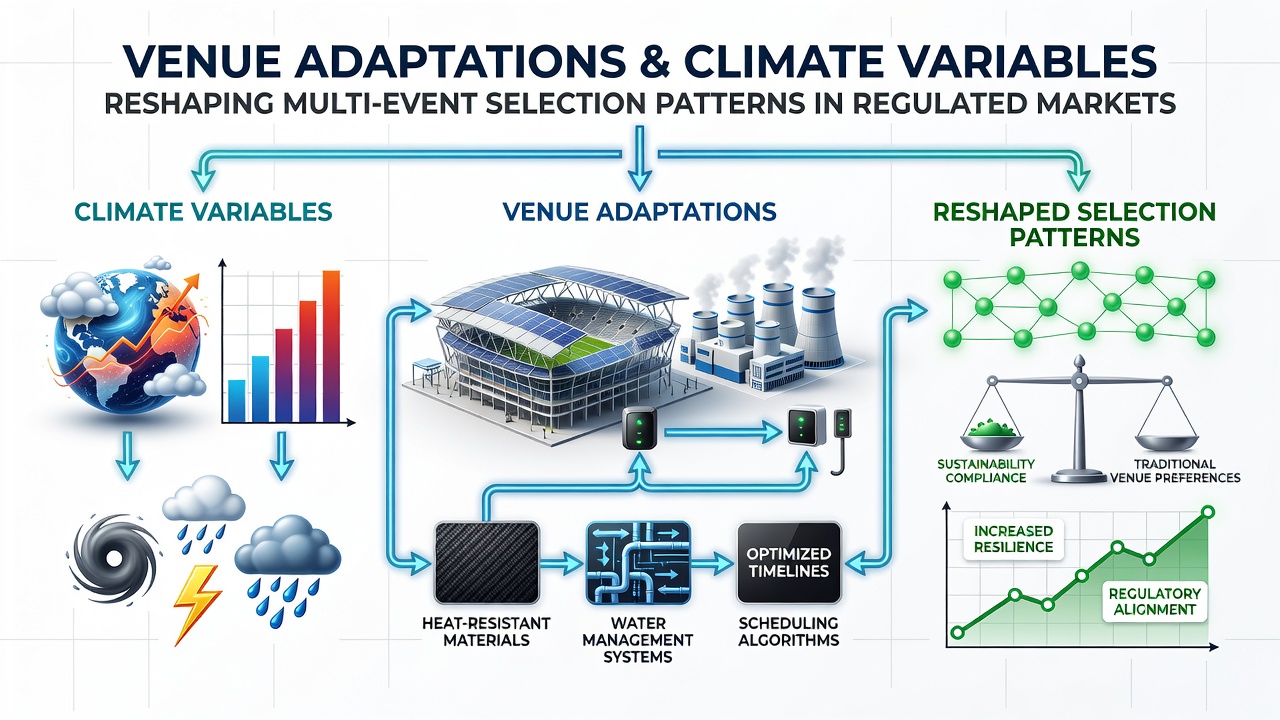
Regulated markets across multiple continents have recorded measurable adjustments in multi-event selection patterns as operators and participants respond to shifting climate conditions alongside venue infrastructure upgrades, and data compiled through mid-2026 shows consistent trends in how bettors construct accumulators when outdoor events face weather disruptions or when facilities move competitions indoors.
Weather Patterns Alter Event Scheduling and Selection Logic
Prolonged heatwaves and irregular rainfall have forced tournament organizers to reschedule or relocate matches, which in turn changes the pool of available events that bettors combine into multi-leg wagers, and researchers tracking selections in Australian and Canadian markets note that participants increasingly favor indoor or climate-controlled venues during summer months when outdoor fixtures become unpredictable. Studies from the Australian Gambling Research Centre indicate that accumulator builders reduced outdoor tennis and horse racing legs by approximately 18 percent between 2024 and 2026 when extreme temperature alerts were issued, while shifting volume toward basketball and indoor volleyball events that maintained stable schedules.
Similar patterns appear in North American data, where state-level reporting from the Massachusetts Gaming Commission shows increased selection of NBA and NHL games during periods of heavy precipitation that affected Major League Baseball fixtures, and bettors adjusted their combinations accordingly to maintain expected return profiles without extending exposure to weather-dependent outcomes.
Venue Adaptations Create New Betting Parameters
Facility operators have invested in retractable roofs, advanced cooling systems, and hybrid surfaces that allow events to proceed regardless of external conditions, and these modifications introduce fresh variables into accumulator construction because playing characteristics change inside controlled environments. Data collected by the European Gaming and Betting Association reveals that markets featuring newly adapted tennis arenas recorded higher volumes of set-total and game-spread selections once matches moved under cover, while traditional surface-based handicaps declined as bettors recalibrated expectations around consistent bounce and lighting conditions.
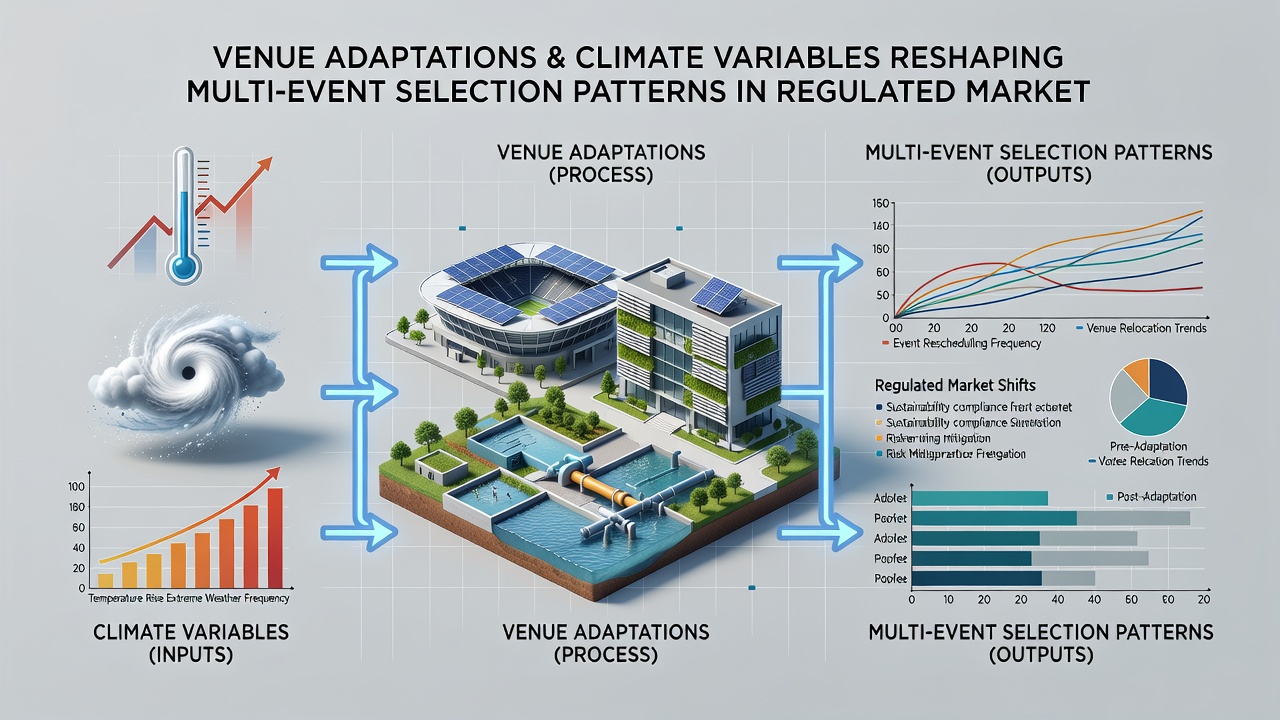
One documented case from June 2026 involved a major European football tournament that relocated several group-stage matches to a newly enclosed stadium after persistent storms, and selection data showed a measurable uptick in combined football-plus-basketball accumulators once the indoor football schedule stabilized. Observers note that bettors began pairing these relocated fixtures with North American basketball games scheduled during overlapping time windows, thereby extending accumulator reach while avoiding weather-related postponement risks that had previously disrupted similar combinations.
Regulatory Data Captures Shifting Market Behaviors
Licensed operators in multiple jurisdictions report that climate-driven venue changes coincide with altered risk distribution across multi-event products, and figures released by the Ontario Lottery and Gaming Corporation for the first half of 2026 demonstrate a 12 percent rise in cross-sport accumulator activity involving at least one indoor-adapted event. This shift occurs because participants seek to balance portfolios when one leg becomes more predictable due to controlled conditions while another retains outdoor variability.
Academic analysis from the University of Nevada Gaming Research Center further indicates that bettors in regulated environments increasingly incorporate venue-specific modifiers into their models, and algorithms used by professional syndicates now weight indoor surface consistency higher when constructing multi-leg tickets during periods of elevated climate alerts. Such adjustments reflect measurable responses to documented changes rather than speculative positioning.
Cross-Regional Comparisons Highlight Consistent Trends
Markets in Australia and parts of the European Union display parallel movements toward indoor-heavy accumulators during comparable weather episodes, and comparative reports issued by the Queensland Treasury's gambling statistics unit align closely with data from several EU member states that track similar venue adaptation projects. Both regions recorded elevated interest in basketball and volleyball legs when local tennis and cricket schedules faced disruption, demonstrating that selection pattern changes follow infrastructure availability more than regional preference alone.
Operators have responded by expanding live-betting options for adapted venues, which allows participants to adjust remaining legs mid-accumulator once initial weather impacts become clear, and this functionality appears most frequently in jurisdictions where climate variables intersect regularly with major sporting calendars.
Conclusion
Venue adaptations paired with ongoing climate variability continue to influence how participants in regulated markets assemble multi-event selections, and the patterns observed through June 2026 indicate sustained movement toward indoor and climate-controlled fixtures whenever scheduling conflicts arise. Data from government agencies and industry research groups show these adjustments occur systematically across jurisdictions, driven by changes in event availability and altered playing conditions rather than shifts in participant sentiment. As infrastructure projects advance and weather patterns evolve, selection frameworks within licensed markets will likely incorporate additional venue-specific parameters to maintain consistency across accumulator structures.