Building Sequential Accumulators by Combining Equine Performance Data with Basketball Prop Markets and Layered Bonus Incentives
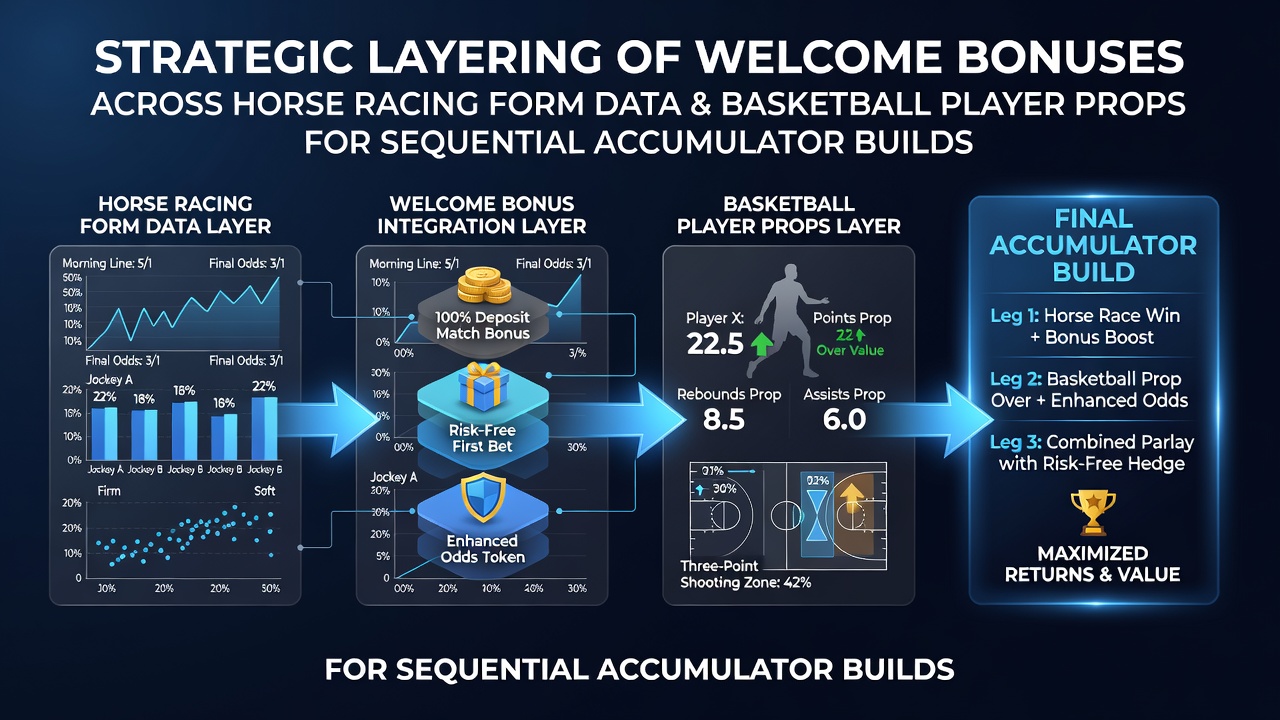
Bookmakers in multiple jurisdictions continue to structure welcome bonuses as layered incentives that reward initial deposits and subsequent activity, and operators apply these structures across horse racing and basketball markets where data sets remain particularly detailed. In July 2026 regulatory filings from several North American and Australian bodies showed increased use of sign-up credits in multi-leg sequences that begin with thoroughbred form analysis and extend into player performance props.
Equine Form Metrics as the Foundation Layer
Horse racing databases compile speed figures, sectional times, and trainer patterns that allow bettors to isolate runners with consistent profiles across distance and surface conditions. Those profiles feed directly into the first leg of an accumulator because welcome bonuses often apply to the opening wager without requiring immediate cash stakes. Observers note that platforms integrate these datasets through API feeds, which means bettors can filter entries by recent workout times and jockey switch statistics before committing bonus funds.
Sequential builds gain stability when the initial leg draws from races that carry clear statistical edges, such as horses returning from layoffs with strong trial reports. Data from Racing Australia indicates that such entries produce measurable strike rates in specific months, and bookmakers frequently flag these contests within promotional interfaces so bonus users can locate them quickly.
Transitioning into Basketball Player Props
Once the equine leg settles, the sequence moves to basketball player props where markets on points, rebounds, and assists provide granular alternatives. Welcome bonus terms commonly permit rollover across different sports, so the second leg can utilize the same credit pool. League-wide tracking systems record usage rates and defensive matchups that shift daily, giving bettors updated inputs for prop selection without leaving the operator platform.
Figures released by the American Gaming Association in its 2026 mid-year review highlighted steady growth in prop betting volume during the NBA offseason period, when futures and alternate lines remain active. Bettors who structure accumulators around these lines can apply remaining bonus amounts to legs that carry moderate odds while preserving bankroll for later stages.
Mechanics of Sequential Accumulator Construction
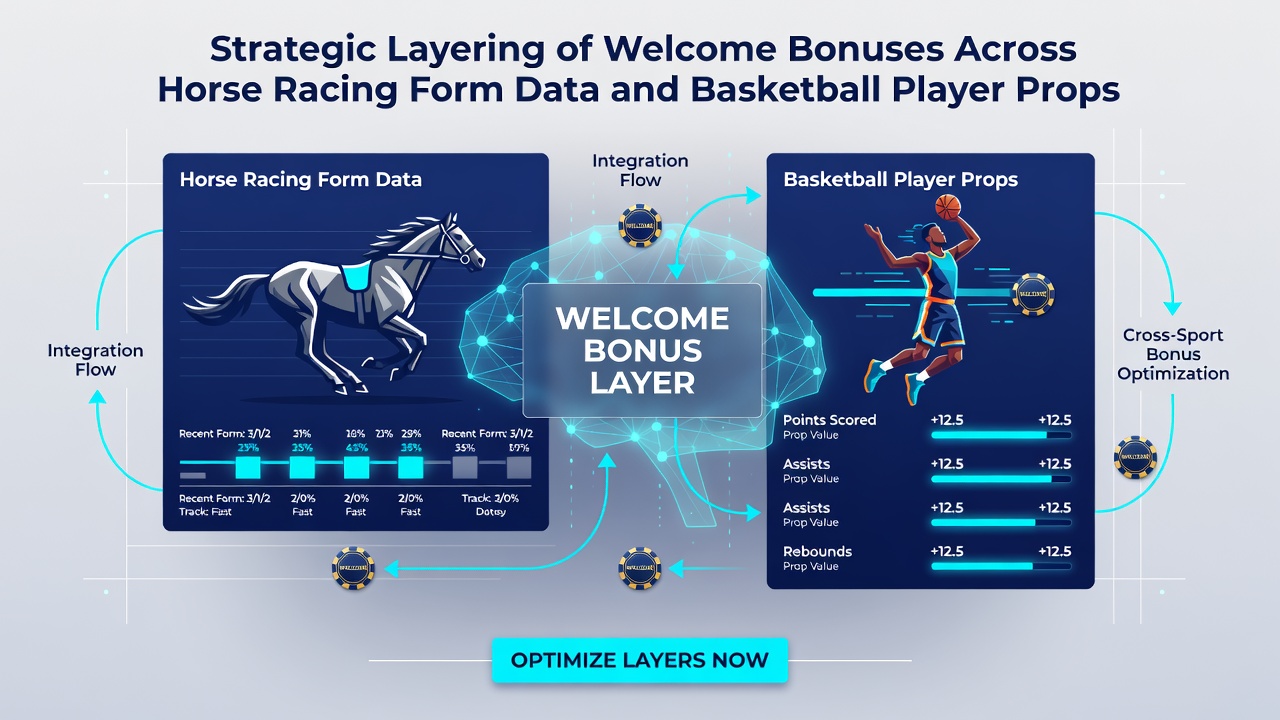
Sequential accumulators differ from single-ticket parlays because each leg settles before the next wager activates, allowing bonus funds to roll forward automatically. Operators define eligible markets in their terms, and horse racing plus basketball props frequently appear on approved lists because both sports generate high data volume. The process begins with a deposit that unlocks the welcome credit, which then covers the first leg at the equine meeting.
After settlement, any profit plus remaining bonus balance transfers to the basketball stage. Here, prop lines on individual player outputs become the focus, with filters applied for minutes played and opposing defensive efficiency. Because the sequence spans separate settlement windows, bettors can adjust selections based on late scratches or lineup changes without restarting the bonus cycle.
Industry reports from the Ontario iGaming authority documented that chained sequences using cross-sport legs maintained higher completion rates when operators provided clear eligibility lists. Those lists typically specify minimum odds per leg and exclude certain exotic prop types, which keeps the structure aligned with responsible wagering guidelines.
Bonus Layering Across Multiple Operators
Some bettors distribute welcome offers across several platforms so that each accumulator stage draws from a fresh credit pool. One platform might host the horse racing leg while another supplies the basketball portion, provided the terms allow transfer of winnings between accounts. Regulatory updates in both the United States and Australia during 2026 emphasized transparency in bonus expiry dates, which affects how many stages can realistically complete before credits lapse.
Tracking tools built into betting apps now display remaining rollover requirements in real time, reducing the chance that a sequence stalls midway through. When equine form data and basketball prop metrics align with those displayed requirements, the layered approach can extend across three or four legs without additional deposits.
Conclusion
Strategic layering therefore relies on coordinated use of form statistics, prop markets, and bonus mechanics that operators publish openly. Regulatory bodies continue to monitor these patterns to ensure terms remain consistent, while data providers supply the inputs that make sequential construction feasible across horse racing and basketball. As platforms refine their interfaces in 2026, the integration of these elements supports accumulator sequences that move from one sport to another within defined promotional windows.