Atmospheric Influences on Performance Metrics in Cross-Sport Accumulator Markets

Atmospheric conditions such as temperature fluctuations, humidity levels, wind speeds, and barometric pressure shifts directly affect athlete and equine performance across disciplines, and analysts track these variables when constructing multi-sport accumulator bets that combine outcomes from tennis, football, basketball, and horse racing events held in different locations. Data compiled by meteorological agencies and sports performance researchers shows measurable impacts on metrics like serve accuracy in tennis, goal conversion rates in outdoor football matches, shooting percentages in basketball arenas, and finishing times on turf tracks.
Temperature and Humidity Effects Across Disciplines
Temperature ranges influence muscle response and recovery times while humidity alters sweat evaporation rates, and studies from the European Centre for Medium-Range Weather Forecasts indicate that events scheduled in July 2026 across European and North American venues will encounter elevated heat indices that slow reaction speeds in tennis rallies yet accelerate fatigue in longer horse racing distances. Observers note that basketball players competing in high-humidity indoor facilities experience reduced grip on the ball when external conditions push arena HVAC systems to compensate, creating measurable drops in field goal percentages during afternoon games that follow overnight humidity spikes.
Wind Patterns and Their Cross-Sport Implications
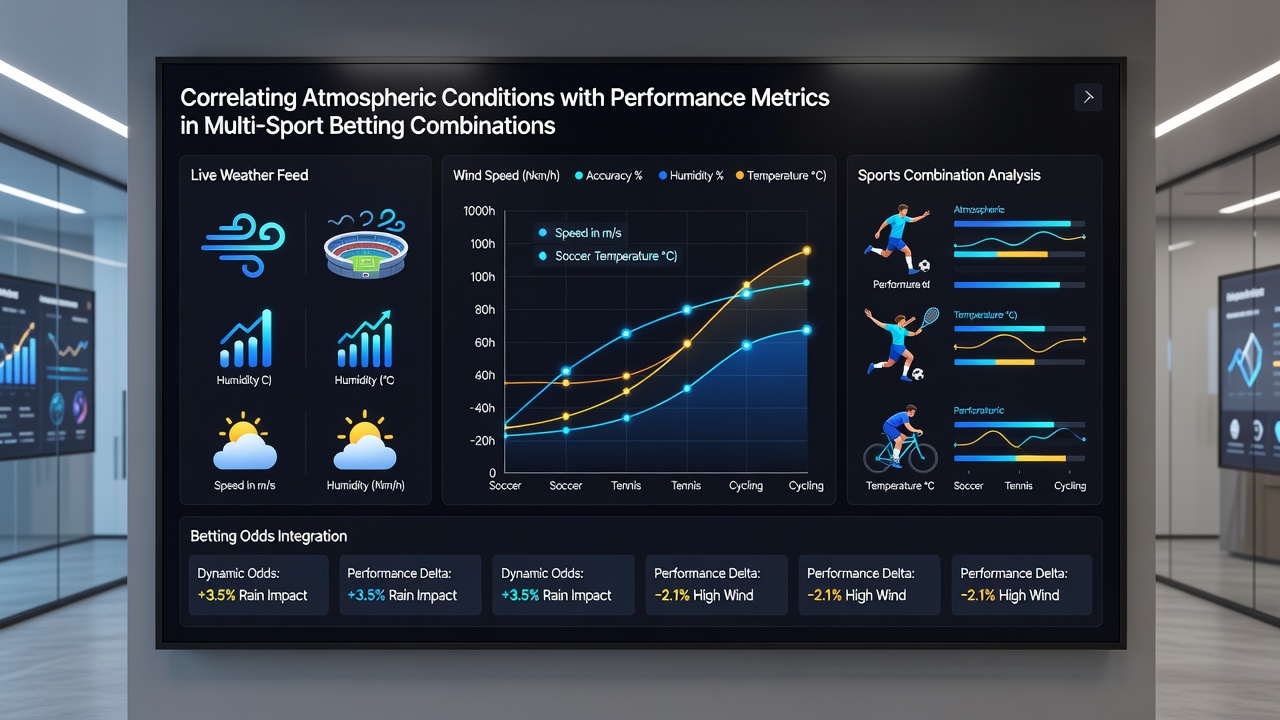
Wind velocity and direction alter ball trajectories in open-air venues, and researchers at Environment Canada have documented consistent correlations between gust speeds above 25 km/h and reduced passing completion rates in football alongside altered bounce patterns on grass tennis courts. When bettors assemble accumulators that pair a windy Premier League fixture with an outdoor tennis match on the same day, performance databases reveal that these combined conditions produce wider variance in expected scoring margins than calm-weather baselines, prompting adjustments to stake sizing and leg selection. Horse racing on exposed tracks experiences additional effects because prevailing winds can shift footing moisture distribution across the course, changing times recorded by the same jockey on consecutive races.
Precipitation Data and Multi-Venue Accumulators
Rainfall amounts and timing modify surface conditions in football and horse racing while leaving basketball largely unaffected unless outdoor events occur, and integrated weather models now feed into betting platforms that flag potential accumulator legs where precipitation forecasts diverge sharply between locations. One analysis of historical data sets demonstrated that combining a rain-affected football match with a dry-climate basketball game produced accumulator payout patterns distinct from single-sport sequences, because the football leg introduced higher draw probabilities while the basketball leg retained steadier point-spread reliability. July 2026 schedules include several overlapping European football and North American tennis tournaments where afternoon thunderstorms appear frequently in forecast models, giving data teams additional variables to correlate against historical performance logs.
Barometric Pressure and Endurance Metrics
Barometric pressure changes precede weather fronts and correlate with stamina variations in endurance segments of horse races and prolonged tennis sets, according to findings published by university sports science departments in Australia and Canada. Lower pressure readings associate with slightly slower overall times on turf and increased error rates during extended rallies, while stable high-pressure systems align with faster finishing speeds and steadier serve percentages. Bettors who incorporate pressure trend data into their multi-sport combinations adjust expected value calculations for legs spanning different time zones, where one event occurs under a building low-pressure system and another under steady conditions.
Data Integration Practices in Current Markets
Platforms that aggregate live weather feeds with performance statistics enable users to filter accumulator options by atmospheric thresholds, and industry reports from the Canadian Gaming Association highlight rising interest in tools that overlay wind, temperature, and precipitation layers onto cross-sport bet builders. Those who study these correlations examine large data sets that pair venue-specific forecasts with outcome histories, revealing that certain combinations such as windy football matches paired with high-humidity basketball games display narrower payout distributions than pairings involving variable tennis conditions. July 2026 fixtures will supply fresh data points as major tournaments coincide with typical summer weather patterns across hemispheres.
Conclusion
Atmospheric condition correlations with performance metrics continue to inform accumulator construction as more detailed environmental data becomes available to analysts and platforms. Researchers maintain ongoing records that link specific weather parameters to statistical shifts in multiple sports, supporting refined approaches to multi-leg betting selections that span tennis courts, football pitches, basketball arenas, and racecourses. The integration of these variables into market tools reflects established patterns observed across documented events and data collections.