Aligning Basketball Overtime Markets with Tennis Deciders in Accumulator Promotions
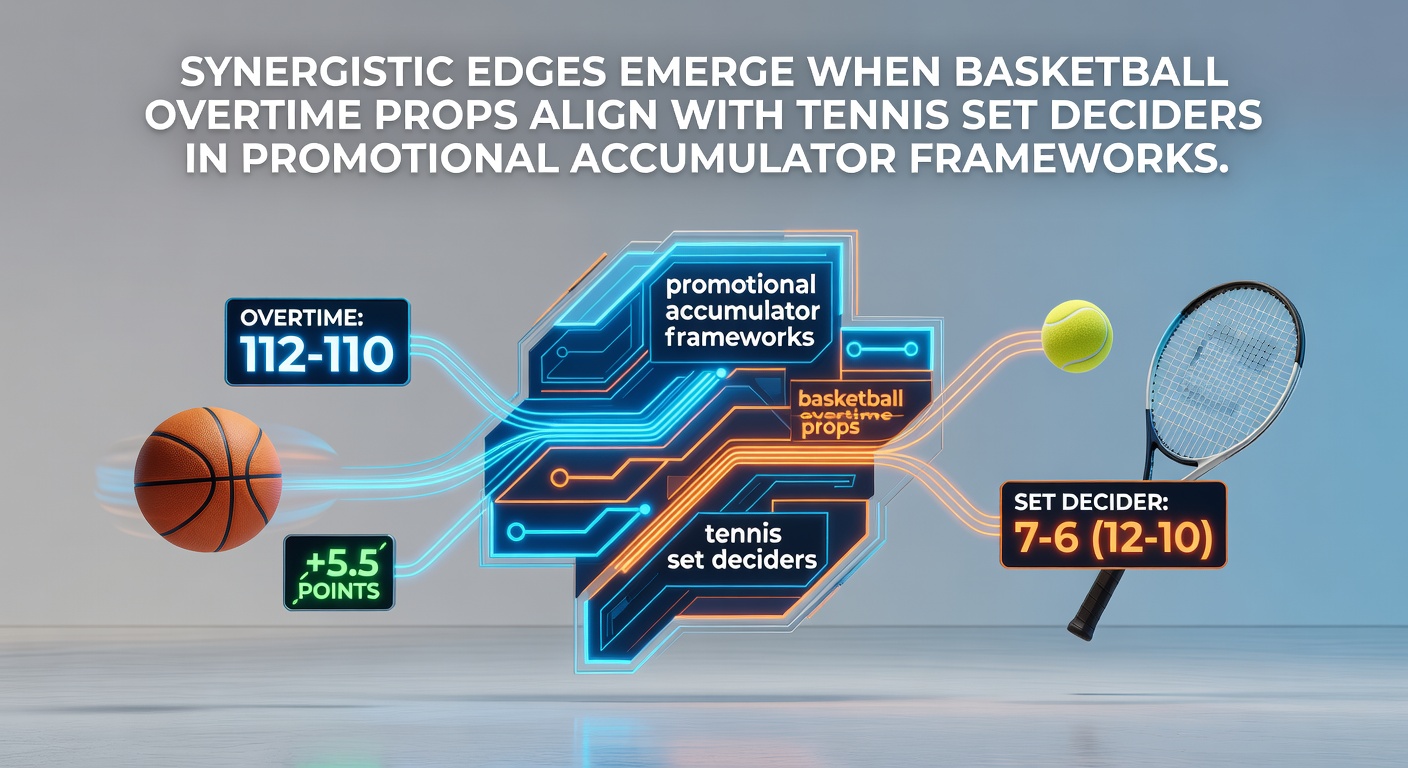
Promotional accumulator frameworks have expanded to incorporate specialized props from basketball and tennis, where overtime outcomes and deciding sets create measurable overlaps in betting structures, and operators adjust odds to reflect combined probabilities across these markets. Data from industry reports indicate that such alignments appear more frequently during extended tournament schedules when player fatigue and match duration statistics influence both sports simultaneously.
Market Structures in Basketball Overtime Props
Basketball overtime props typically cover player performance metrics and team totals that extend beyond regulation time, while operators track historical patterns showing elevated scoring rates in extra periods across major leagues, and these figures integrate into accumulator legs that reward selections based on volume rather than simple win-loss outcomes. Research from sports analytics groups demonstrates that overtime occurrences correlate with specific game scripts involving close margins at the end of the fourth quarter, allowing promotional frameworks to layer these props alongside other events without direct overlap in timing.
Tennis Set Deciders and Their Statistical Profiles
Tennis set deciders, particularly in best-of-three or best-of-five formats, produce distinct point distribution data that differs from earlier sets because players often adjust aggression levels after split sets, and studies compiled by academic research centers highlight increased break-point conversion rates in these moments. Promotional accumulators incorporate these deciders through set-specific props such as total games or player aces, creating entry points that complement basketball overtime selections when events occur within overlapping promotional windows.
Operators have noted that May 2026 schedules feature simultaneous basketball playoff extensions and tennis clay-court swing events, which increases opportunities for cross-sport accumulator construction since time-zone differences allow sequential betting on both markets within the same promotional cycle. Figures from regulatory bodies in Australia reveal steady growth in multi-leg bets that combine these elements, driven by adjusted free-bet mechanics rather than isolated single-sport wagers.
Accumulator Construction Techniques
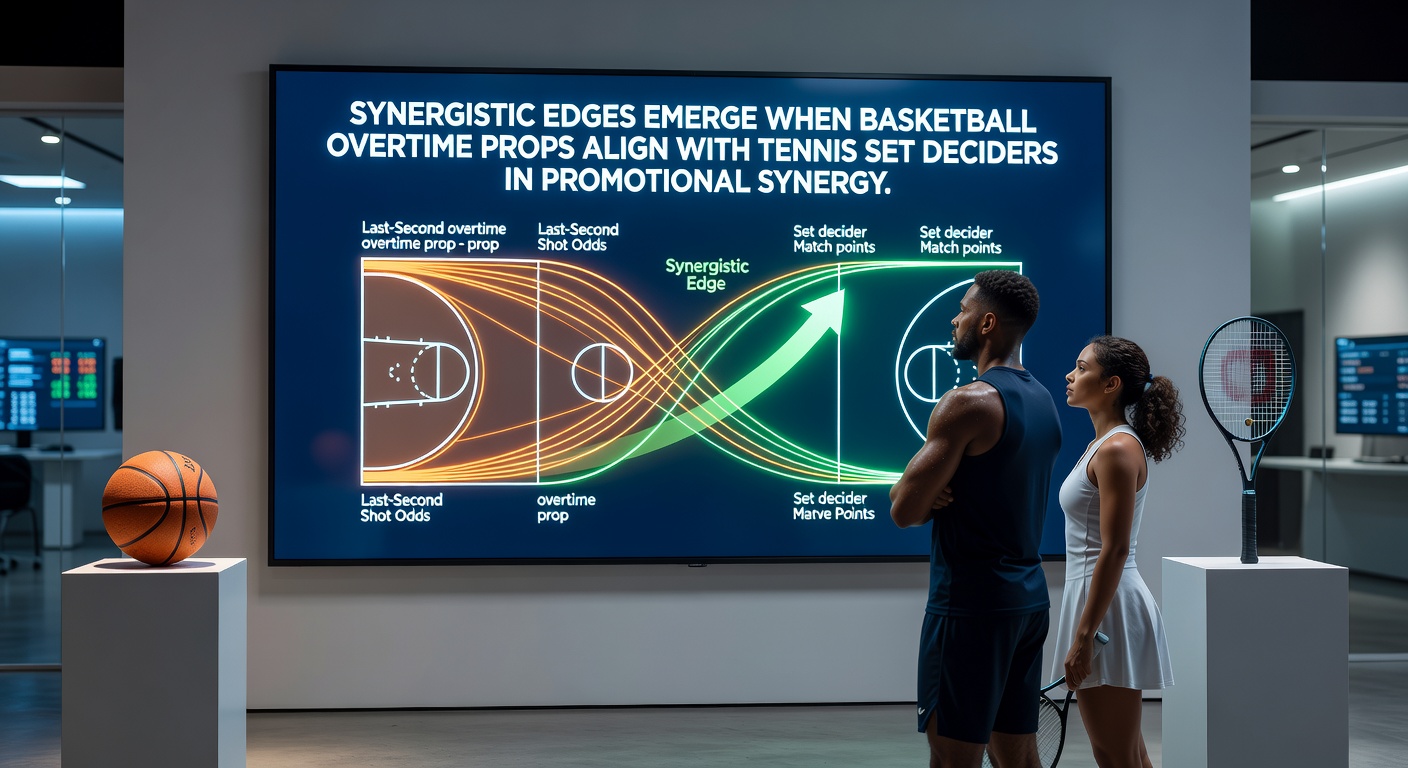
Accumulator frameworks treat basketball overtime props and tennis set deciders as modular legs that operators price according to combined implied probabilities, and users select combinations where historical variance in one sport offsets stability in the other. Industry organizations report that promotional offers often apply boosted returns when these legs meet minimum stake thresholds, which encourages structured selection patterns rather than random pairings. Observers note that correlation analysis between overtime scoring bursts and deciding-set endurance metrics allows for refined leg ordering that maximizes the framework's payout structure.
Take one documented case where betting platforms adjusted accumulator multipliers after reviewing data on basketball teams that frequently reach overtime during road playoff games paired with tennis players who excel in final sets on outdoor surfaces. Such pairings rely on publicly available performance databases rather than proprietary signals, and the resulting accumulators demonstrate consistent participation rates across different regions.
Promotional Adjustments and Regulatory Context
Promotional frameworks in 2026 incorporate responsible gambling parameters that limit accumulator depth when combining high-variance props like overtime totals with deciding-set over/unders, while Canadian provincial regulators have published guidelines encouraging transparent disclosure of leg-specific odds within multi-sport bets. European trade associations have compiled similar recommendations that focus on clear presentation of how overtime and decider probabilities interact within the overall accumulator calculation.
What's notable is the way operators use historical datasets to calibrate these alignments, ensuring that promotional bonuses apply evenly across basketball and tennis selections without favoring one sport's timing. Data from university-led sports betting studies show that accumulator completion rates improve when legs from different sports are sequenced to account for real-time score updates rather than pre-match locks alone.
Integration with Broader Betting Ecosystems
Accumulator platforms now embed basketball overtime and tennis decider props into daily promotional chains that also reference other live markets, creating layered structures where a single overtime prop can influence the viability of a later tennis leg. Industry reports indicate that this integration relies on standardized data feeds rather than custom models, which maintains consistency across different promotional periods. Those who monitor transaction volumes observe that such frameworks attract users seeking structured combinations over standalone bets during peak tournament months.
Yet the core mechanism remains rooted in probability alignment, where operators calculate joint odds based on independent event distributions that occasionally produce favorable multiplier effects when both overtime and deciding sets materialize as projected. External analyses from research institutions confirm that these effects appear most pronounced when promotional windows coincide with extended basketball series and grand-slam tennis schedules.
Conclusion
Alignments between basketball overtime props and tennis set deciders within promotional accumulator frameworks reflect ongoing developments in multi-sport betting structures, supported by statistical tracking and regulatory oversight that varies by jurisdiction. Operators continue to refine these combinations through data-driven adjustments that respond to seasonal schedules and participant behavior patterns observed across 2026 events.